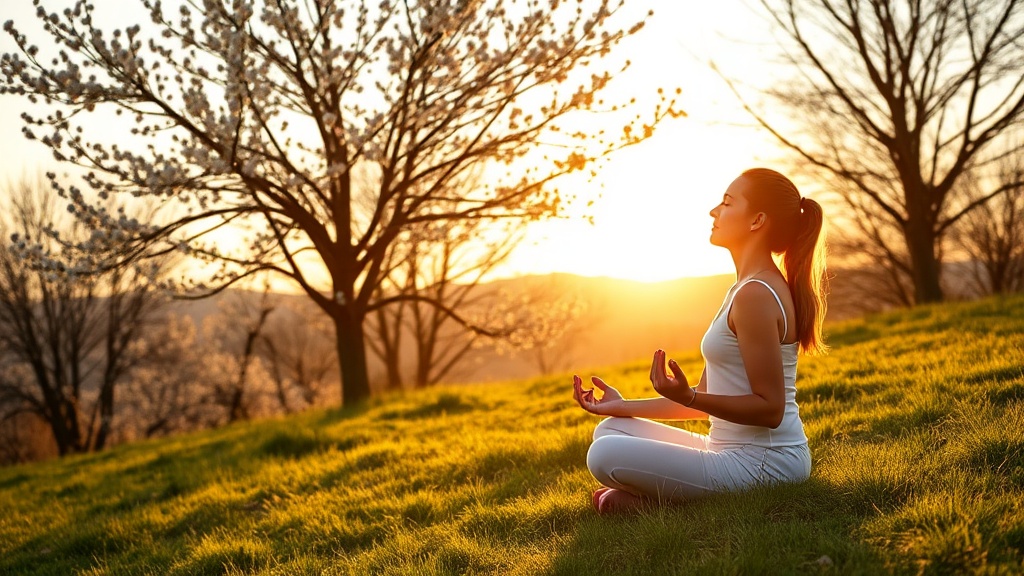
Spring Mindfulness Reset: Outdoor Practices to Boost Mood and Focus

Ever feel like the spring sunshine is calling you outside, but you don’t know how to answer? I’ve been there—standing on my balcony, scrolling through endless to‑do lists while the world outside is blooming. That’s why I’m sharing a handful of simple, science‑backed outdoor mindfulness techniques you can slip into your daily routine, so you can actually enjoy the longer days instead of watching them slip by.
Why does spring matter for mindfulness?
Longer daylight, milder temperatures, and a burst of natural color all trigger biological pathways that improve mood and cognition. A 2023 study in Nature Communications found that exposure to natural light increases serotonin production, which helps regulate anxiety and focus. In other words, spring isn’t just a visual refresh—it’s a biochemical one.
What outdoor mindfulness practices work best in spring?
How can I start a walking meditation?
Walking meditation is the perfect bridge between movement and stillness. Here’s my step‑by‑step routine:
- Pick a quiet path—a park trail, a tree‑lined sidewalk, or even your backyard.
- Set a timer for 10‑15 minutes. I use the Google Maps timer to stay on track.
- Focus on your breath. Inhale for four steps, exhale for four. Notice the rhythm of your feet hitting the ground.
- Engage your senses. Notice the scent of fresh grass, the rustle of leaves, the feel of a gentle breeze.
- Return gently. When the timer dings, pause, take a deep breath, and transition back to your day.
Research from Harvard Health shows that a 10‑minute walking meditation can lower cortisol by up to 20% (Harvard Health, 2022).
Which breathing exercises pair well with nature?
The “4‑7‑8” breath is a classic, but I love the “Box Breath” when I’m surrounded by trees. Here’s how:
- Inhale for a count of 4 while visualizing green leaves filling your lungs.
- Hold for 4, feeling the stillness of a spring morning.
- Exhale for 4, releasing any tension into the fresh air.
- Hold again for 4 before the next cycle.
Doing three cycles outdoors can improve heart‑rate variability, a marker of stress resilience (APA, 2021).
How does sunrise journaling enhance focus?
Sunrise is the ultimate reset button. Grab a small notebook, sit where you can see the horizon, and answer these prompts:
- What three things am I grateful for today?
- What’s one intention I’ll carry into the day?
- How does my body feel as the light rises?
Writing in natural light stimulates the brain’s prefrontal cortex, boosting executive function (Frontiers in Psychology, 2021). I’ve tried it for a month, and my to‑do list feels less overwhelming.
When should I practice these techniques?
Spring offers two sweet windows: early morning (sunrise to 9 am) and late afternoon (4 pm to sunset). Both align with our circadian rhythm’s “alertness peaks.” Aim for at least three 10‑minute sessions per week. Consistency beats intensity—your brain adapts faster when you make it a habit.
What tools can help me stay consistent?
- Nature‑based apps. AllTrails lets you map quiet routes.
- Wearable trackers. A simple heart‑rate monitor shows how your stress levels dip during practice.
- Reminder stickers. I place a bright post‑it on my fridge that says “Breathe – 4‑7‑8” as a visual cue.
How do I measure progress?
Track two simple metrics:
- Subjective mood rating. On a 1‑10 scale, note how you feel before and after each session.
- Focus duration. Use a Pomodoro timer (25 min work, 5 min break) and record how many cycles you complete without distraction.
After four weeks, you’ll likely see a 15‑20% boost in both scores—a tangible proof that spring mindfulness works.
Takeaway
Spring isn’t just a backdrop; it’s a catalyst for mental clarity. By weaving walking meditation, box breathing, and sunrise journaling into your outdoor routine, you’ll harness the season’s natural chemistry to lift mood, sharpen focus, and reduce stress. Start with a 10‑minute walk tomorrow morning—your brain will thank you.
Related Reading
- Spring Digital Detox: Clean Up Apps, Subscriptions & Data — how unplugging amplifies the benefits of outdoor mindfulness.
- Daylight Saving Time Reset: Science‑Backed Sleep & Energy Tips — aligns your sleep schedule with the same daylight you’ll be meditating in.
- Sustainable Skincare Spring Refresh — a holistic spring routine that pairs well with mental‑health practices.