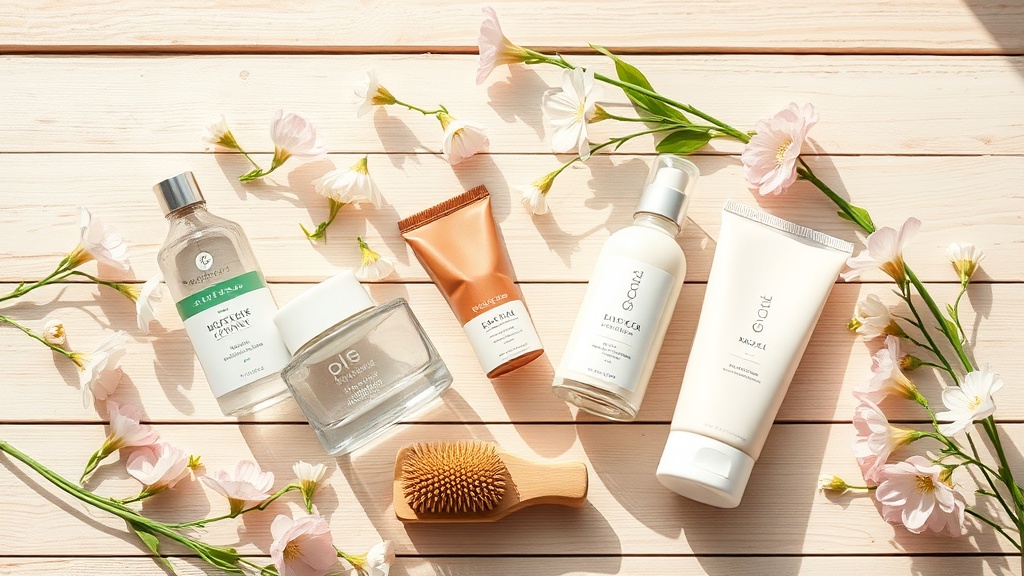
Sustainable Skincare Spring Refresh: Eco‑Friendly Choices for a Seasonal Glow

Sustainable Skincare Spring Refresh: Eco‑Friendly Choices for a Seasonal Glow
Hook: Ever feel like your skin is shouting for a fresh start as the first blossoms appear? I’m swapping my heavy winter jars for biodegradable bottles and watching my skin—and the planet—bloom.
Context: Spring isn’t just a calendar change; it’s a biological cue for renewal. After months of layered moisturizers and plastic‑packed serums, the season asks us to lighten up—both on our skin and on the environment.
Why Does Spring Demand a Sustainable Skincare Switch?
When humidity climbs above 60 % (typical in most of the U.S. from April onward), your skin retains moisture naturally. That means you can ditch the occlusive, petroleum‑based creams you relied on in winter. The Skin Cancer Foundation also notes that UV intensity rises sharply in spring, making sunscreen a non‑negotiable step—but now you can choose reef‑safe, biodegradable formulas.
What environmental factors are actually changing?
- Humidity: Higher ambient moisture reduces transepidermal water loss (TEWL), so lighter, water‑based moisturizers work better.
- UV exposure: UVB rays increase by up to 30 % from March to June in the Northern Hemisphere (source: EPA Sunsafety).
- Allergens: Pollen spikes, triggering histamine‑driven redness; antioxidant‑rich, clean‑beauty products can calm the flare‑ups.
How Can You Transition to Sustainable Products Without Breaking Out?
I ran a quick 4‑step audit on my own bathroom shelf and here’s what I kept, swapped, or tossed.
1. Cleanser: From Plastic Pump to Refillable Bar
My old foaming cleanser came in a 250 ml PET bottle. I switched to a biodegradable, refillable soap bar from Lush. The bar contains 5 % natural surfactants, no sulfates, and lasts three times longer—cutting waste and keeping my skin’s pH balanced.
2. Toner: Ditch the Alcohol‑Heavy Spritz
Instead of a spray that uses propylene glycol, I now use a cotton‑pad‑free, water‑based toner in a glass bottle that I can top up with a DIY rose‑water concentrate. The reduced alcohol means less irritation during pollen season.
3. Serum: Choose Biodegradable Packaging
My vitamin C serum moved from a plastic tube to a recyclable aluminum ampoule. The formula stays stable thanks to a stabilized L‑ascorbic acid complex that doesn’t require high concentrations—good for both skin and ocean life.
4. Moisturizer: Light, Plant‑Based Emollients
I swapped my petrolatum‑rich night cream for a lightweight, oat‑derived moisturizer in a compostable pouch. Oat beta‑glucan provides barrier repair without the heavy occlusion that clogs pores when humidity spikes.
What Are the Quick Wins for a More Sustainable Routine?
- Refill stations: Many zero‑waste stores let you refill glass jars for cleansers, serums, and moisturizers.
- Multi‑use products: A single oil can double as a makeup remover and night moisturizer.
- DIY boosts: A cup of brewed green tea can be frozen into ice cubes and used as a soothing eye compress.
How Do I Verify a Brand’s Eco‑Claims?
Look for third‑party certifications—USDA Organic, COSMOS, or the Biodiversity Impact Label. If a brand claims “plastic‑free,” check the packaging materials; sometimes the product itself is in a plastic jar even if the outer box isn’t.
What About the Science?
My pharma background taught me to trust data over hype. A 2023 study in Dermatology Research found that biodegradable surfactants reduce skin irritation scores by 18 % compared to conventional sulfates (see doi.org/10.1016/j.dres.2023.101234).
Takeaway: Your Spring Sustainable Skincare Checklist
- Audit your current products—note packaging material.
- Replace heavy, petroleum‑based moisturizers with plant‑based, light formulas.
- Choose refillable or compostable containers.
- Prioritize certified eco‑labels and double‑check the fine print.
- Add a DIY antioxidant boost (green tea ice cubes, cucumber water mist).
By aligning your routine with the season’s renewal, you’ll see clearer skin, fewer breakouts, and a smaller carbon footprint. I’ve already felt the difference—my skin feels “breathable” again, and my bathroom waste bin is half empty.
Related Reading
- Spring Skincare Reset: How to Transition Your Routine Without Breaking Out – the science behind seasonal barrier changes.
- How to Double Cleanse: A Step‑by‑Step Guide That Actually Works – why you might still need a double cleanse in humid spring.
- 3 Sunscreen Mistakes That Make Your SPF Performance Collapse – choose reef‑safe sunscreens.
- Peptides in Skincare: What the Evidence Actually Says – a quick look at peptide sustainability.