Daylight Saving Time Reset: Science‑Backed Sleep & Energy Tips

Why the DST Shift Messes With Your Body
Ever feel groggy the day after the clocks jump forward? That 1‑hour loss isn’t just a nuisance—it disrupts your circadian rhythm, the internal clock that regulates sleep, hormones, and even mood. Studies from the National Institutes of Health show a spike in sleep disturbances and reduced productivity in the week following the shift.
What Science Says About Light Exposure
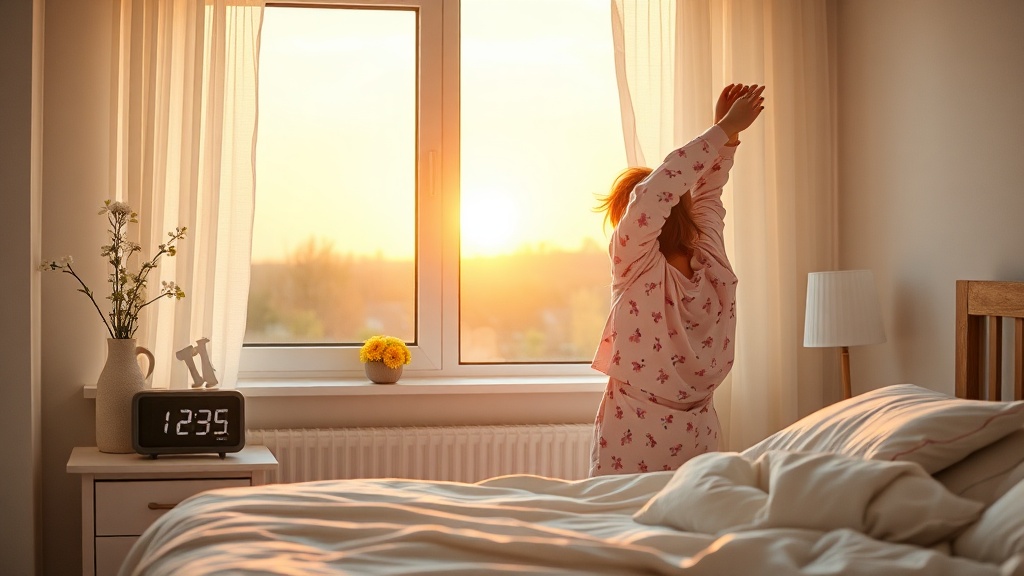
Light is the most powerful cue for resetting your internal clock. The Sleep Foundation recommends getting bright natural light as early as possible after waking. Aim for 20‑30 minutes of sunlight or a 10,000‑lux light box. If sunrise is still dark, open your curtains and turn on bright white LEDs.
Step‑by‑Step Sleep Schedule Shift
- Gradual Bedtime Adjustment: Starting three nights before DST, move your bedtime and wake‑time earlier by 10‑15 minutes each night. This eases the transition without sacrificing total sleep time.
- Consistent Wake‑Time: Even on weekends, keep your wake‑time within 30 minutes of the new schedule. Irregular mornings reinforce the rhythm disruption.
- Pre‑Sleep Light Management: Dim lights an hour before bed; use amber‑hued bulbs to avoid suppressing melatonin. Harvard Health suggests a blue‑light filter on devices after sunset.
Nutrition Hacks to Support the Shift
What you eat can either smooth or sabotage the adjustment:
- Magnesium‑Rich Snacks: A handful of almonds or pumpkin seeds before bed promotes relaxation.
- Complex Carbs Early Evening: Whole‑grain toast or quinoa stabilizes blood sugar, preventing late‑night energy spikes.
- Avoid Caffeine After 2 PM: Even a small cup can delay melatonin production, especially when your body is already stressed by the hour loss.
Physical Activity Timing
Exercise is a proven circadian ally, but timing matters. Research in the Journal of Clinical Sleep Medicine shows morning workouts boost alertness, while vigorous evening exercise can push the sleep window later. Aim for a brisk 20‑minute walk or yoga session in the morning after sunrise.
Mind‑Body Practices for a Smooth Reset
Stress hormones surge during the DST transition. Simple mindfulness practices—5 minutes of breathing, a gratitude journal, or a quick meditation—lower cortisol and help your body settle into the new schedule.
Takeaway: Your DST Reset Checklist
- Three nights before: shift bedtime/wake‑time earlier by 10‑15 min.
- Get 20‑30 min of bright light within an hour of waking.
- Dim lights & use amber bulbs after sunset.
- Snack on magnesium‑rich foods before bed.
- Finish caffeine by 2 PM.
- Morning walk or light cardio.
- 5‑minute mindfulness routine each evening.
Follow this plan and you’ll not only survive the clock change—you’ll feel more energetic, focused, and ready for the longer days of spring.
Related Reading
- Spring Forward: Science‑Backed Sleep Reset for DST 2026 — A deeper dive into the physiological impact of the time shift.
- Spring Digital Detox: Clean Up Apps, Subscriptions & Data — Reduce screen glare and improve evening melatonin production.
- Shift Work Skincare: Science‑Backed Night‑to‑Day Routine for 2026 — Align your skin care with your new sleep schedule.
Frequently Asked Questions
- What is the best time to get sunlight after the DST change? Aim for the first 30 minutes after you wake up; exposure before 10 AM is most effective for resetting melatonin.
- Can a light therapy box replace natural sunrise? Yes, a 10,000‑lux box used for 20 minutes can mimic sunrise and is especially useful on cloudy mornings.
- How long does it take for my body to fully adjust? Most people feel back to normal within 5‑7 days if they follow a consistent schedule and light exposure plan.