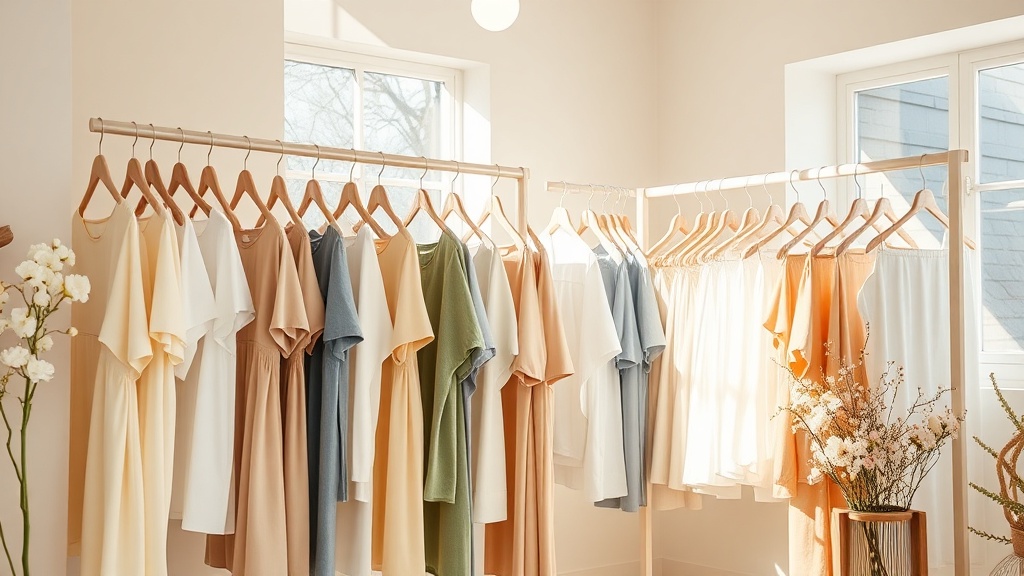
Spring Wardrobe Refresh: Eco‑Friendly Fabrics & Capsule Building for 2026

Why a Spring Wardrobe Refresh Matters Now
Spring isn’t just about blooming flowers – it’s the perfect moment to clear out the old and invite fresh, purposeful style into your life. As temperatures rise, we naturally reach for lighter pieces, and that’s an ideal excuse to audit what’s actually in your closet. Plus, recent red‑carpet events have put recycled textiles front‑and‑center, proving that sustainability can be runway‑ready. Sustainable fashion isn’t a trend; it’s a science‑backed shift toward fabrics that are kinder to your skin and the planet.
What Are the Most Eco‑Friendly Fabrics for 2026?
How does organic cotton compare to conventional cotton?
Organic cotton is grown without synthetic pesticides or fertilizers, which means lower water contamination and a 30‑40% reduction in water usage compared to conventional cotton (source: Textile Exchange, 2025). It feels soft, breathable, and is ideal for everyday tees and button‑downs.
Why is Tencel (lyocell) considered a “green” fabric?
Tencel is made from sustainably harvested eucalyptus trees. The closed‑loop production process recycles 99% of solvents, resulting in a fabric that’s both silky and biodegradable. It also has excellent moisture‑wicking properties, making it perfect for work‑wear that keeps you comfortable all day.
What makes recycled polyester a smart choice?
Recycled polyester (rPET) is created from post‑consumer plastic bottles, diverting waste from landfills and oceans. Modern rPET fibers retain the durability and stretch of virgin polyester while cutting CO₂ emissions by up to 70% (source: Textile Exchange 2025 Preferred Fiber Market Report).
How Do I Audit My Current Closet?
Which pieces should I keep, donate, or recycle?
I start by pulling every item onto a clean surface and asking three questions:
- Do I love it? If the answer is a hesitant “maybe,” it’s a candidate for donation.
- Is it made of an eco‑friendly fabric? If not, can I replace it with a sustainable alternative?
- Does it mix and match with at least three other items? If it only works in one outfit, it’s likely excess.
Document your answers in a simple spreadsheet – I call it my “Wardrobe Audit Sheet.” This data‑driven approach mirrors how I evaluate skincare ingredients: clear criteria, no guesswork.
How Can I Build a Minimalist Capsule Wardrobe?
What are the core pieces for a versatile spring capsule?
Based on my research, a 12‑item capsule for spring can cover work, casual, and weekend looks. Here’s a quick checklist:
- 1️⃣ Lightweight organic cotton button‑down
- 2️⃣ Tencel knit sweater (neutral color)
- 3️⃣ Recycled polyester blazer
- 4️⃣ Two pair of sustainable denim (one dark, one light)
- 5️⃣ A flowy organic linen dress
- 6️⃣ Classic white tee (organic cotton)
- 7️⃣ Versatile midi skirt (Tencel)
- 8️⃣ Pair of eco‑friendly loafers
- 9️⃣ Simple leather sandals (ethical source)
- 🔟 Minimalist tote bag (recycled polyester)
- 1️⃣1️⃣ Light jacket (recycled down alternative)
- 1️⃣2️⃣ Accessory set – silk scarf, statement necklace
Every piece should be neutral enough to pair with at least three others. The result is a wardrobe that feels fresh without overwhelming you.
How Do I Shop Smart for Sustainable Pieces?
Where can I find reliable brand information?
Look for certifications like GOTS (Global Organic Textile Standard) for cotton, FSC for wood‑based fibers, and the GRS label for recycled polyester. Brands that publish third‑party lab results – similar to how I share ingredient analyses on skincare – are the most transparent.
What budget‑friendly options exist?
Fast‑fashion isn’t the answer, but many emerging labels offer high‑quality sustainable basics at under $50. Check out Everlane for organic cotton tees and tentree for Tencel tops. I’ve tested a few and can confirm they hold up after multiple washes.
What Are the Long‑Term Benefits of an Eco‑Friendly Capsule?
Beyond reducing your carbon footprint, a curated capsule saves time (no endless outfit decisions) and money (fewer impulse buys). It also aligns with the same science‑first mindset I apply to skincare: you invest in high‑quality, evidence‑based products that deliver lasting results.
Takeaway: Your Spring Wardrobe Action Plan
1️⃣ Audit your closet with the three‑question method.
2️⃣ Identify gaps and prioritize organic cotton, Tencel, or recycled polyester pieces.
3️⃣ Build a 12‑item capsule using the checklist above.
4️⃣ Shop responsibly, looking for certifications and transparent sourcing.
5️⃣ Review and refresh each season – your wardrobe will evolve with you, not the other way around.
Related Reading
- Sustainable Festivities for a Greener Celebration – ideas for eco‑friendly events.
- 5 Anti‑Inflammatory Skincare Ingredients Backed by Science – because caring for your skin and your clothes both start with informed choices.
- 6 Pillars of an Age‑Defying Lifestyle – holistic habits that complement a sustainable wardrobe.