
The Real Science of Building a Skincare Routine That Actually Works

A skincare routine that works isn’t about chasing trends or layering ten random products. It’s about understanding your skin, choosing ingredients with purpose, and building a system you can stick to. The difference between glowing skin and constant frustration often comes down to a few overlooked fundamentals.
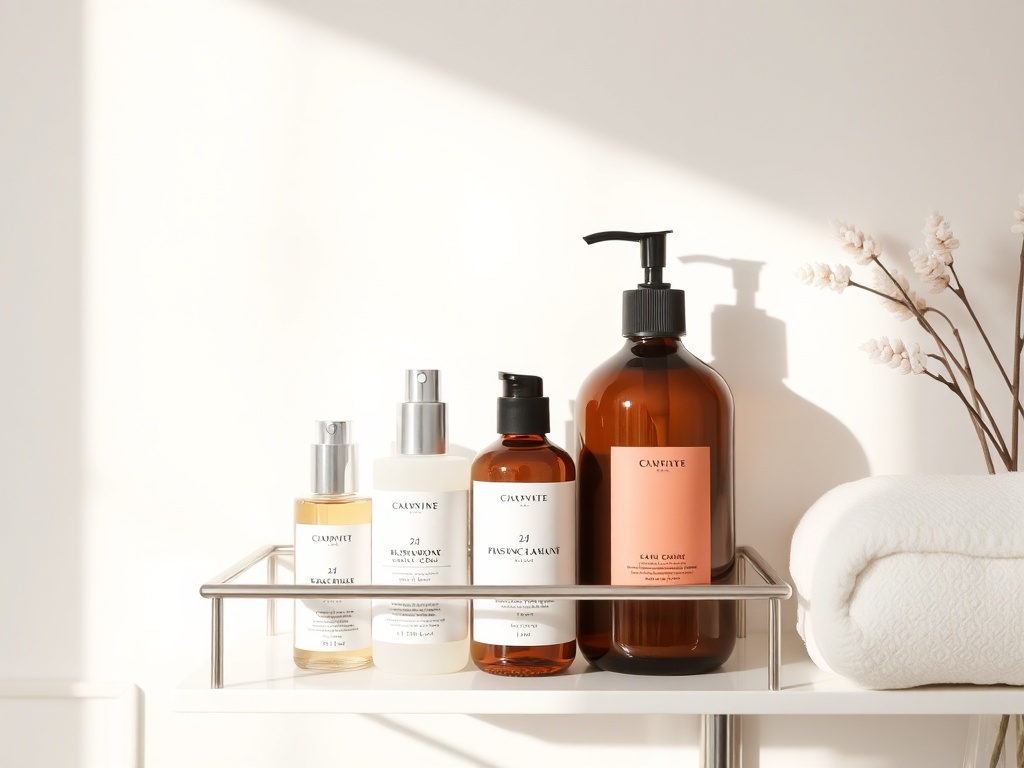
Start With Your Skin Type (But Don’t Stop There)
Most people stop at labeling their skin as oily, dry, or combination. That’s useful, but incomplete. Your skin also has behaviors: sensitivity, dehydration, acne tendencies, pigmentation concerns, and how it reacts to climate or stress.
For example, oily skin can still be dehydrated. Sensitive skin can still break out. When you build your routine, think in layers of concern rather than a single category.
- Oily: Focus on oil regulation without stripping
- Dry: Prioritize barrier repair and hydration
- Sensitive: Minimize actives and fragrance
- Acne-prone: Balance exfoliation with calming ingredients

The Only 4 Steps You Actually Need
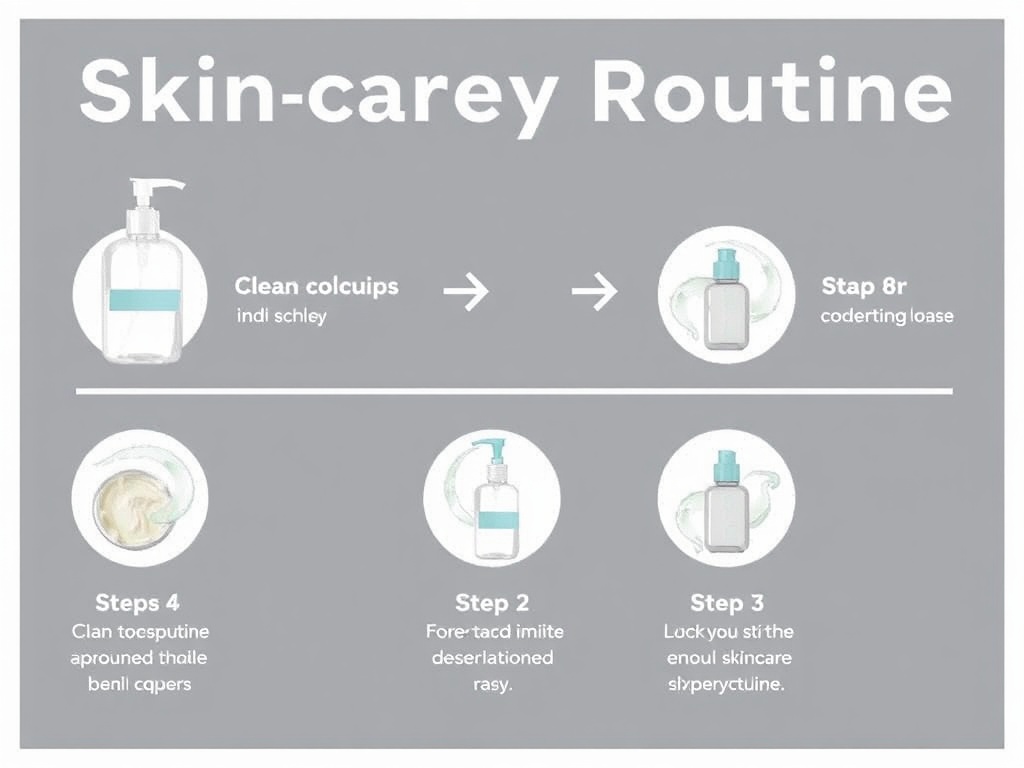
Forget 10-step routines. A functional routine has four pillars. Everything else is optional.
1. Cleanser
Your cleanser should remove dirt, oil, and sunscreen without leaving your skin tight. If your face feels squeaky clean, it’s probably over-stripped.
2. Treatment
This is where change happens. Think vitamin C, retinoids, niacinamide, or exfoliating acids. You don’t need all of them—just one or two that target your main concern.
3. Moisturizer
Hydration isn’t optional, even for oily skin. A good moisturizer keeps your barrier intact, which reduces breakouts and irritation over time.
4. Sunscreen (Morning Only)
If you do nothing else, wear sunscreen. It prevents premature aging, hyperpigmentation, and protects every other step in your routine.

How to Choose Ingredients That Make a Difference
Skincare works when ingredients are matched to a goal. Here’s how to simplify the noise:
- Brightening: Vitamin C, alpha arbutin
- Acne: Salicylic acid, benzoyl peroxide
- Texture: AHAs like glycolic acid
- Anti-aging: Retinoids, peptides
- Barrier repair: Ceramides, panthenol
Pick one primary goal. Add a second only if your skin tolerates it well.

Why Consistency Beats Complexity
People abandon routines because they’re too complicated. The truth is, your skin responds better to steady inputs than constant change. Switching products every week resets your progress.
A simple routine followed daily for three months will outperform an advanced routine used inconsistently.
Give products time:
- Hydration: 1–2 weeks
- Acne treatments: 4–8 weeks
- Retinoids: 8–12 weeks
Morning vs Night: What Actually Changes
Your morning routine protects. Your night routine repairs.
Morning
- Gentle cleanse (or rinse)
- Antioxidant (like vitamin C)
- Moisturizer
- Sunscreen
Night
- Cleanser (double cleanse if wearing makeup)
- Treatment (retinoid or exfoliant)
- Moisturizer
You don’t need to mirror steps exactly—just match the purpose.

Common Mistakes That Ruin Your Results
- Over-exfoliating: Leads to irritation and breakouts
- Mixing too many actives: Causes sensitivity
- Skipping sunscreen: Undoes progress
- Changing products too fast: No time to see results
More isn’t better. Better is better.
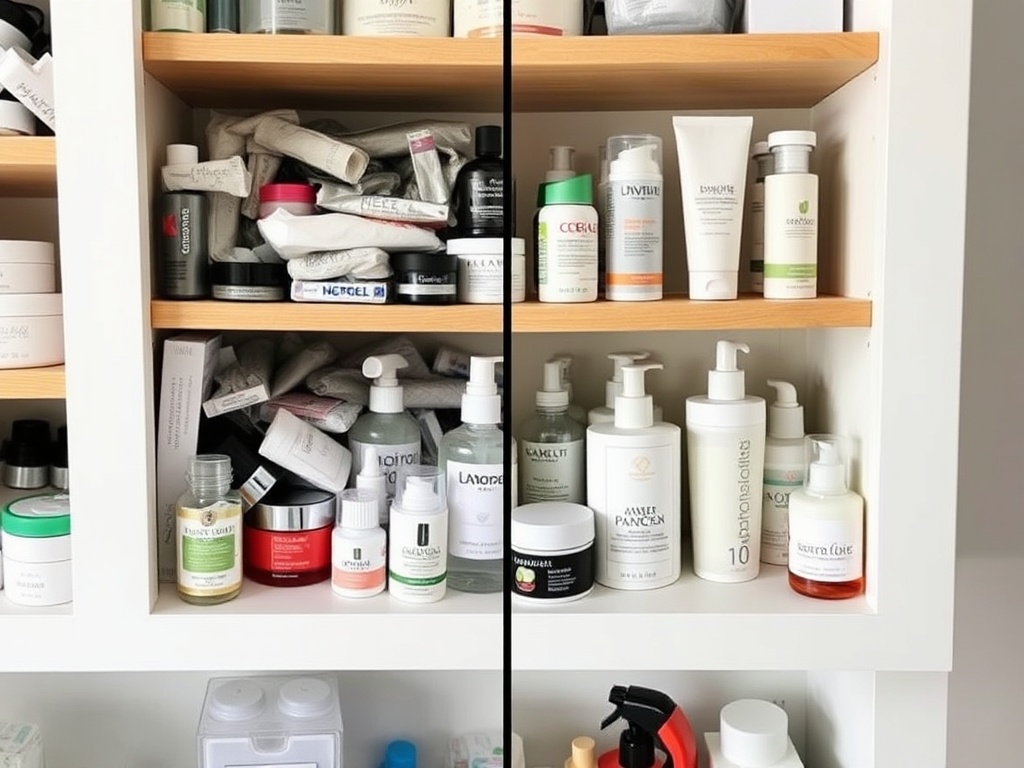
How to Build Your Routine Step-by-Step
- Start with cleanser + moisturizer + sunscreen
- Add one treatment based on your main concern
- Use it consistently for 4–6 weeks
- Adjust only if needed
This method prevents irritation and helps you identify what’s actually working.
The Bottom Line
A great skincare routine isn’t complicated. It’s intentional, consistent, and built around your skin—not trends. Once you understand that, everything else becomes easier. You’ll stop chasing products and start seeing results.