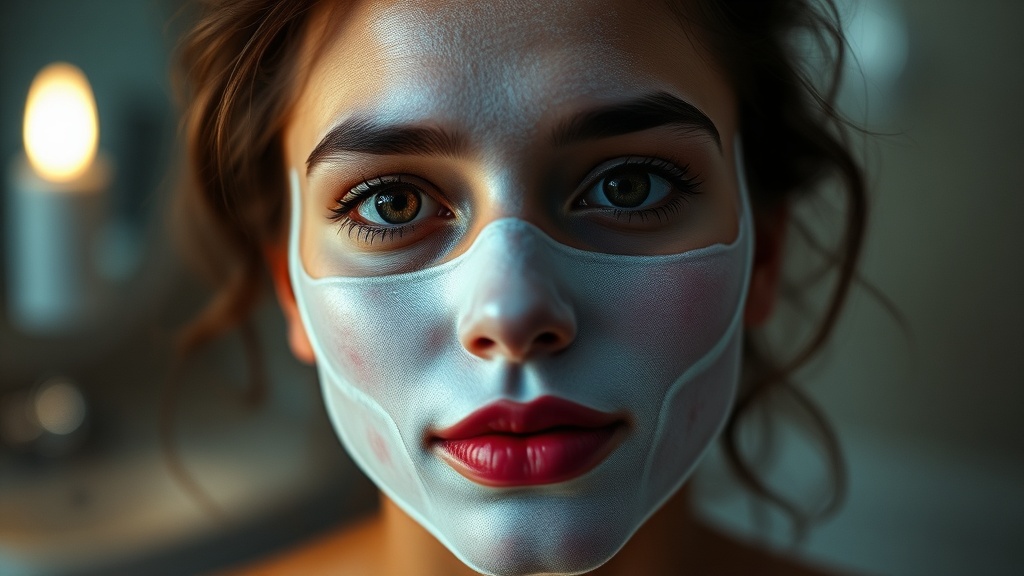
The One Skincare Habit That Quietly Transforms Your Skin Overnight

There’s a lot of noise in skincare—new ingredients, trending routines, and complicated multi-step systems that promise everything and often deliver very little. Strip all of that away, and one habit consistently outperforms the rest in real-world results: applying your skincare to properly damp skin, not dry skin.
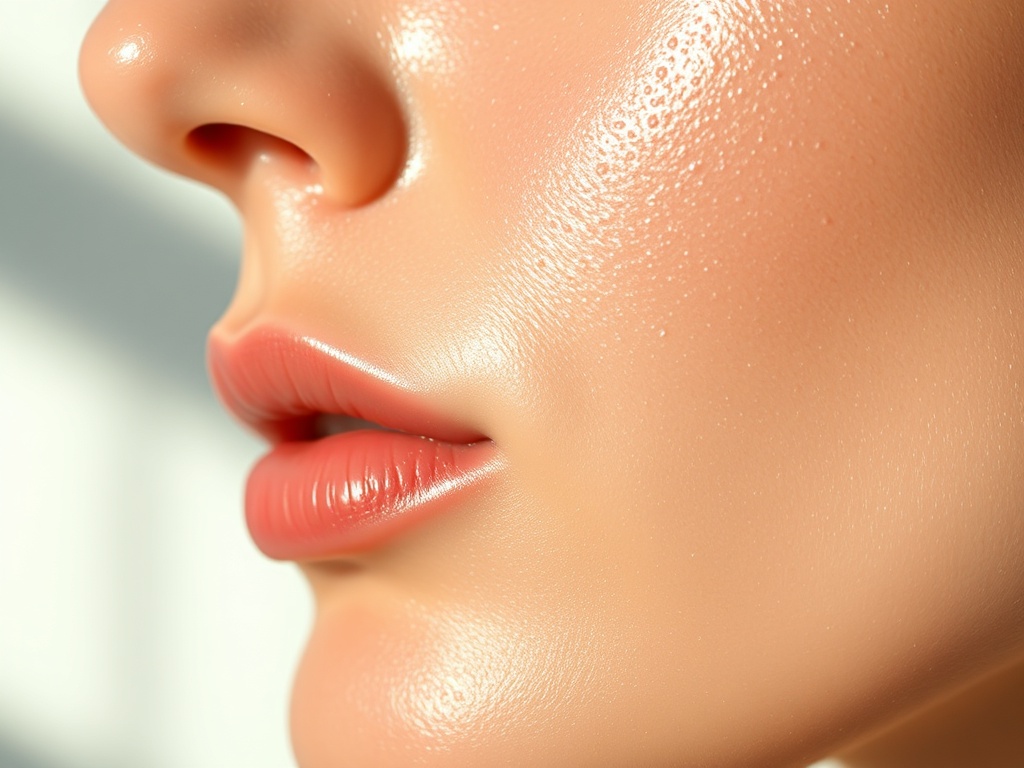
Why This One Small Shift Matters More Than You Think
Most people cleanse, pat their face completely dry, then start layering products. It feels intuitive—dry skin seems like a clean canvas. But biologically, it’s not ideal.
Your skin is most receptive when it’s slightly damp. Water temporarily softens the outer layer (the stratum corneum), making it more permeable. This means hydrating ingredients like glycerin, hyaluronic acid, and aloe can actually penetrate and bind more effectively.
When you apply products to dry skin, you’re essentially asking them to work harder with less support. When you apply them to damp skin, you’re amplifying their performance without adding a single extra product.
The Science Behind Damp Skin Application
Hydration in skincare isn’t just about adding moisture—it’s about retaining it. Many serums and moisturizers contain humectants, which draw water into the skin. But here’s the catch: if there’s no water available, they can pull moisture from deeper layers instead, leaving skin paradoxically drier over time.
Applying products to damp skin ensures there’s actual water present for these ingredients to bind to. You’re essentially giving your skincare something to work with.

How to Do It Properly (This Is Where Most People Go Wrong)
This habit sounds simple, but execution matters. Here’s how to do it right:
- Cleanse your face as usual.
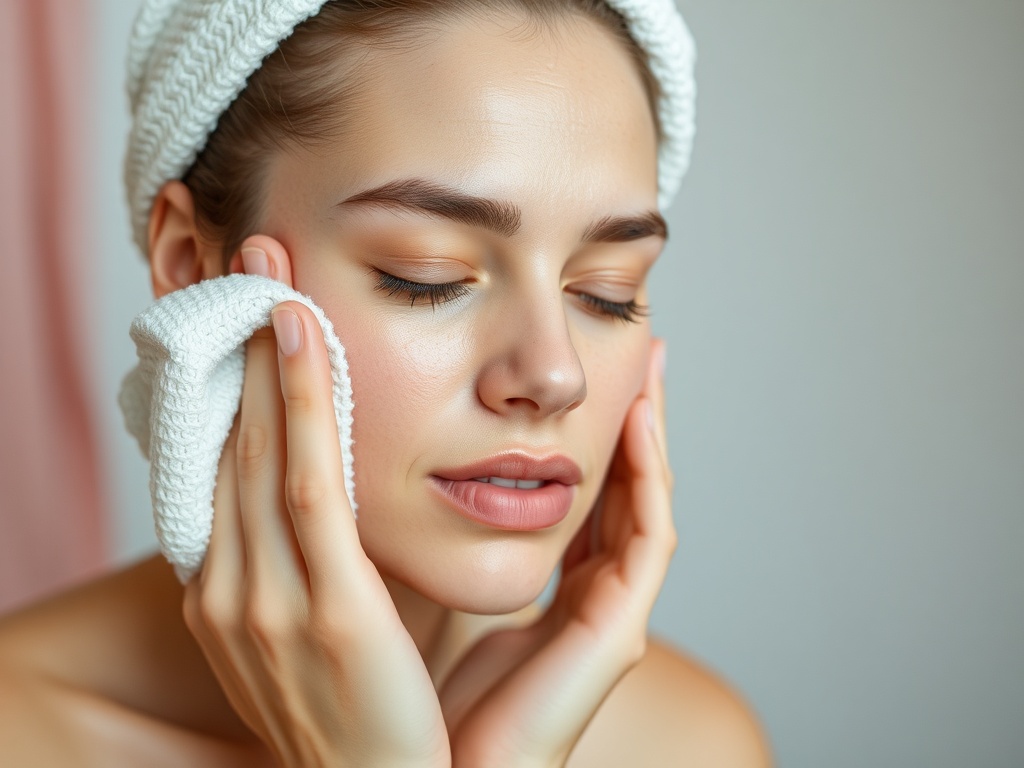
- Pat—don’t fully dry. Your skin should feel lightly damp, not dripping.
- Apply your first product immediately (usually a hydrating serum or essence).
- Layer quickly but gently, sealing in hydration with a moisturizer.
The timing is key. If you wait too long and your skin fully dries, you lose the benefit.
Who Benefits Most From This Habit
Almost everyone—but especially:
- Dry skin types struggling with tightness or flaking
- Dehydrated skin (which can happen even if you’re oily)
- People using actives like retinoids or exfoliating acids
- Anyone in cold or dry climates
If your skin ever feels like products just sit on top instead of absorbing, this is likely the missing piece.
What Changes You’ll Actually Notice
This isn’t a dramatic overnight miracle—but it’s one of those habits where results quietly compound:
- Skin feels softer within days
- Products absorb faster and more evenly
- Makeup sits better (less patchiness)
- Fine dehydration lines look less pronounced
- Overall glow improves without adding new products
It’s subtle, but once you notice it, going back to dry-skin application feels like a downgrade.
Common Mistakes to Avoid
Even a good habit can backfire if done incorrectly:
- Applying to soaking wet skin — this can dilute products too much
- Using harsh actives on very damp skin — this may increase irritation
- Waiting too long between steps — hydration evaporates quickly
- Skipping moisturizer — you still need to seal everything in
The goal is balance: lightly damp, not dripping; quick layering, not rushed chaos.
How This Fits Into Any Routine (Even a Complicated One)
This habit doesn’t replace your routine—it upgrades it. Whether you use three products or ten, the principle stays the same: apply your hydrating steps while your skin is still slightly damp.
Even with active-heavy routines (retinol, acids), you can still use this method strategically. Apply actives to dry skin if needed, but keep your hydrating layers damp-first.
The Real Reason This Habit Works
Skincare often focuses on what you use. But how you use it matters just as much—sometimes more.
This one adjustment doesn’t cost anything, doesn’t require new products, and doesn’t complicate your routine. It simply makes everything you already own work better.
That’s rare in beauty—and worth paying attention to.