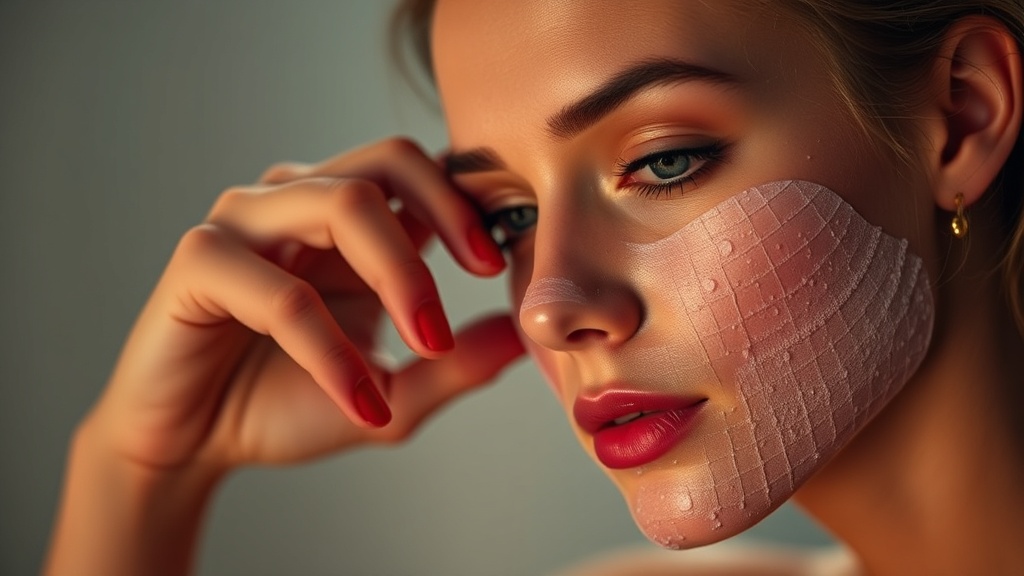
The One Skin Barrier Habit That Instantly Improves Your Entire Routine

Quick Tip
Apply your skincare products on slightly damp skin to lock in hydration and protect your skin barrier.
If your skincare routine feels like it should be working—but somehow isn’t—the problem is rarely your cleanser, serum, or moisturizer. It’s your skin barrier. And more specifically, it’s how consistently you protect it.
There’s one habit that quietly transforms everything: treating your skin barrier like the main character, not an afterthought. This isn’t about buying more products. It’s about changing how you use what you already have.
The Tip That Changes Everything
Apply your routine in a way that preserves hydration at every step—never letting your skin fully dry out between layers.
This sounds simple, almost too simple. But most routines accidentally sabotage the skin barrier by allowing water to evaporate before sealing it in.
Here’s the shift: instead of waiting for your skin to dry between steps, you apply products while your skin is still slightly damp. That single change improves absorption, reduces irritation, and reinforces your barrier without adding a single extra product.

Why Your Skin Barrier Matters More Than You Think
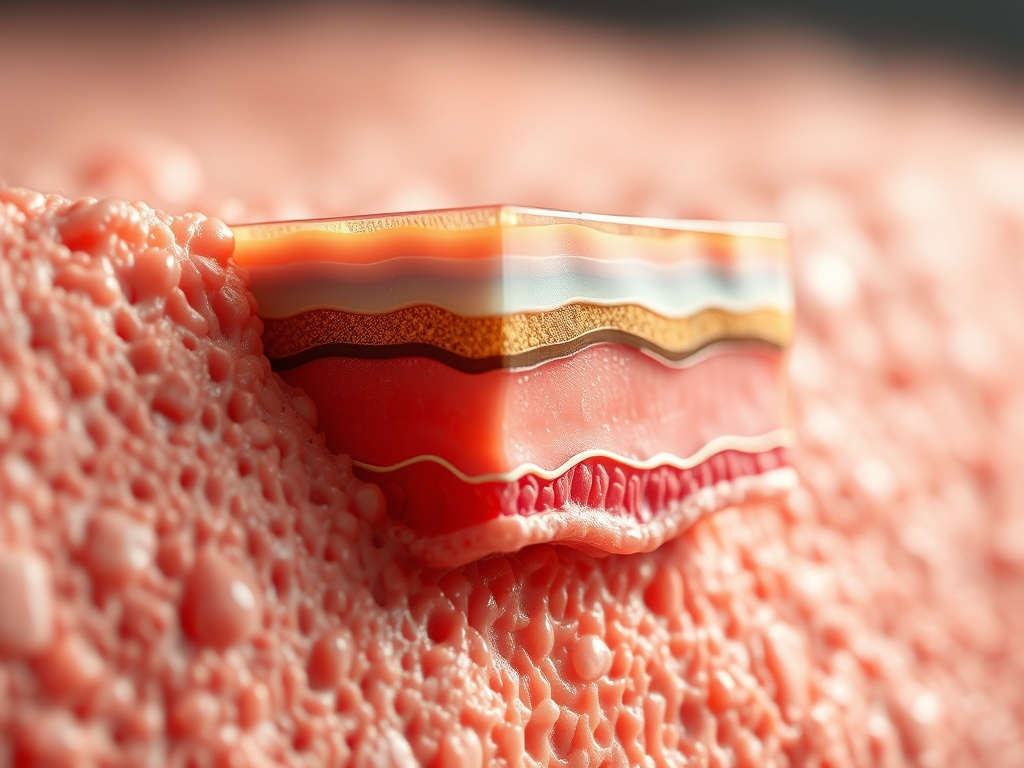
Your skin barrier is your outermost layer. It keeps moisture in and irritants out. When it’s compromised, everything else starts to fail:
- Serums sting
- Moisturizer feels useless
- Breakouts linger longer
- Redness becomes constant
Most people respond by adding stronger actives or more products. That usually makes things worse.
The damp-skin method works because it respects how your skin naturally holds water. Hydration is not just about what you apply—it’s about how long water stays in your skin.
How to Actually Do It (Without Overthinking)
This isn’t a 10-step ritual. It’s a small timing adjustment across your existing routine.
Step 1: Cleanse Gently
Use a cleanser that doesn’t leave your skin tight. After rinsing, don’t aggressively towel-dry. Pat lightly, leaving skin slightly damp.
Step 2: Apply Hydrating Layers Immediately
Toner, essence, or hydrating serum should go on within seconds. Damp skin increases permeability, helping humectants (like glycerin or hyaluronic acid) bind water more effectively.
Step 3: Seal With Moisturizer While Skin Is Still Soft
Don’t wait until your face feels dry. Apply moisturizer while your skin still feels cool and slightly moist. This locks in hydration before it evaporates.
Step 4: Oils (Optional) Come Last
If you use facial oils, apply them after moisturizer to reinforce the seal—not before.
What Changes When You Get This Right
Within days, your skin starts behaving differently. Not dramatically—but noticeably:
- Makeup sits better without patchiness
- Dry areas stop flaking
- Actives like retinol or acids feel less irritating
- Your overall routine feels… easier
The reason is simple: a healthy barrier makes every product perform closer to its potential.
This is why people often think they’ve found a “miracle product,” when in reality, they’ve just stopped disrupting their barrier.
Common Mistakes That Cancel This Out
This habit only works if you avoid a few common missteps:
- Over-drying your face: completely dry skin loses water faster
- Using harsh cleansers: they strip lipids your barrier needs
- Layering too slowly: long gaps between steps undo the benefit
- Overusing actives: even perfect hydration won’t fix over-exfoliation
If your skin still feels tight after your routine, something is off—usually timing or product balance.
Who Benefits Most From This
While everyone can use this approach, it’s especially noticeable if you:
- Struggle with dehydration (not the same as dryness)
- Use actives like retinol, AHAs, or BHAs
- Have sensitive or reactive skin
- Notice your routine works inconsistently
It’s also one of the easiest ways to stabilize your skin before introducing new products.
Why This Works Better Than Adding Another Product
Most skincare advice pushes you toward buying something new. But layering more products onto a compromised barrier is like stacking furniture on a cracked floor.
This method improves your baseline. It ensures your skin is actually able to benefit from what you’re already using.
Think of it as upgrading your technique instead of your shelf.
The Quiet Upgrade Your Routine Needed
There’s nothing flashy about this habit. No trending ingredient, no overnight transformation.
But it’s the kind of adjustment that compounds. Over time, your skin becomes more resilient, more predictable, and easier to care for.
And that’s what most people are really chasing.