
The Complete Skincare Routine Guide: Build a Regimen That Actually Works (AM & PM)

A skincare routine shouldn’t feel like guesswork or a 12-step obligation you can’t keep up with. The reality: most people either overcomplicate their routine or use products in the wrong order. This guide breaks down exactly how to build a skincare routine that works for your skin type, your schedule, and your goals—without wasting money or time.
Understand Your Skin Before You Buy Anything

Before choosing products, you need to understand what your skin actually needs. This sounds obvious, but it’s where most routines fail. If your skin feels tight and flaky, you’re likely dry. If it gets shiny by midday, you’re probably oily. Combination skin usually means an oily T-zone with drier cheeks.
Sensitive skin adds another layer—prone to redness, stinging, or reactions. Acne-prone skin isn’t a type, but a condition that can overlap with any of the above.
Key takeaway: Your routine should solve your skin’s problems—not follow trends.
The Core Steps Every Routine Needs
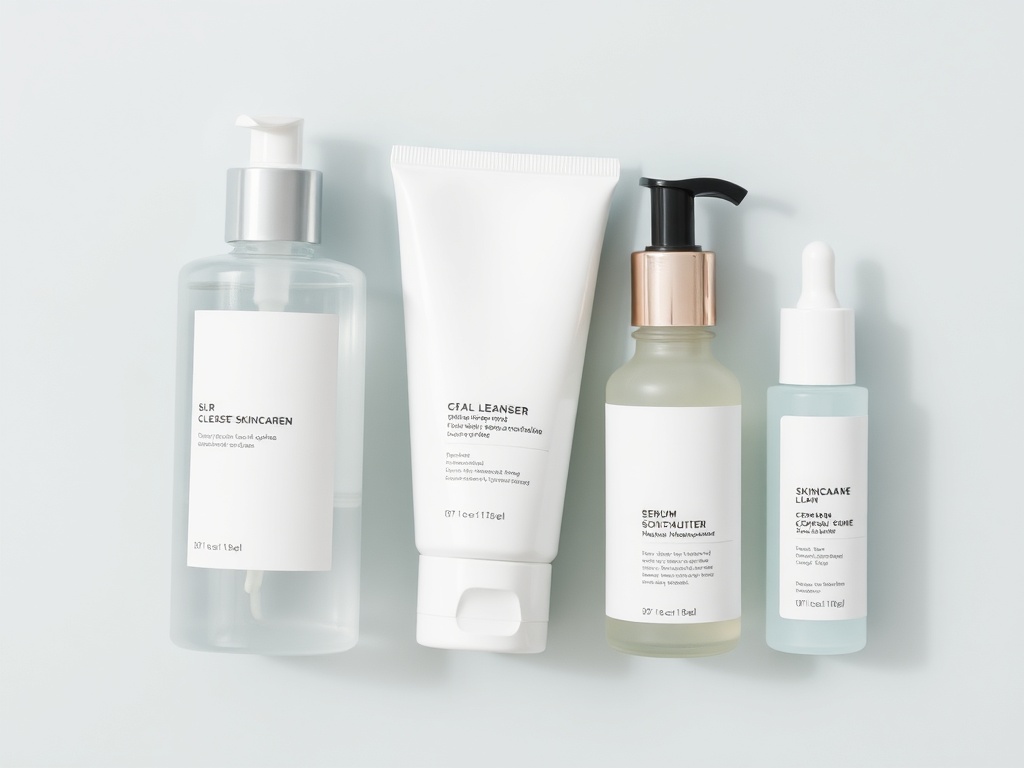
No matter your skin type, every effective skincare routine is built on a few essential steps. Everything else is optional.
- Cleanser: Removes dirt, oil, and buildup
- Moisturizer: Maintains hydration and protects your barrier
- Sunscreen (AM only): Prevents premature aging and damage
That’s your foundation. Serums, toners, and treatments are add-ons—not replacements.
Your Morning Routine (AM): Protect and Prep

Your morning routine should focus on protection and lightweight hydration.
- Cleanser: Use a gentle cleanser or just rinse if your skin is dry.
- Antioxidant serum: Vitamin C is the gold standard for brightening and protection.
- Moisturizer: Choose a lightweight formula.
- Sunscreen: Non-negotiable. SPF 30+ every day.
If you skip sunscreen, every other step becomes less effective over time.
Your Night Routine (PM): Repair and Treat
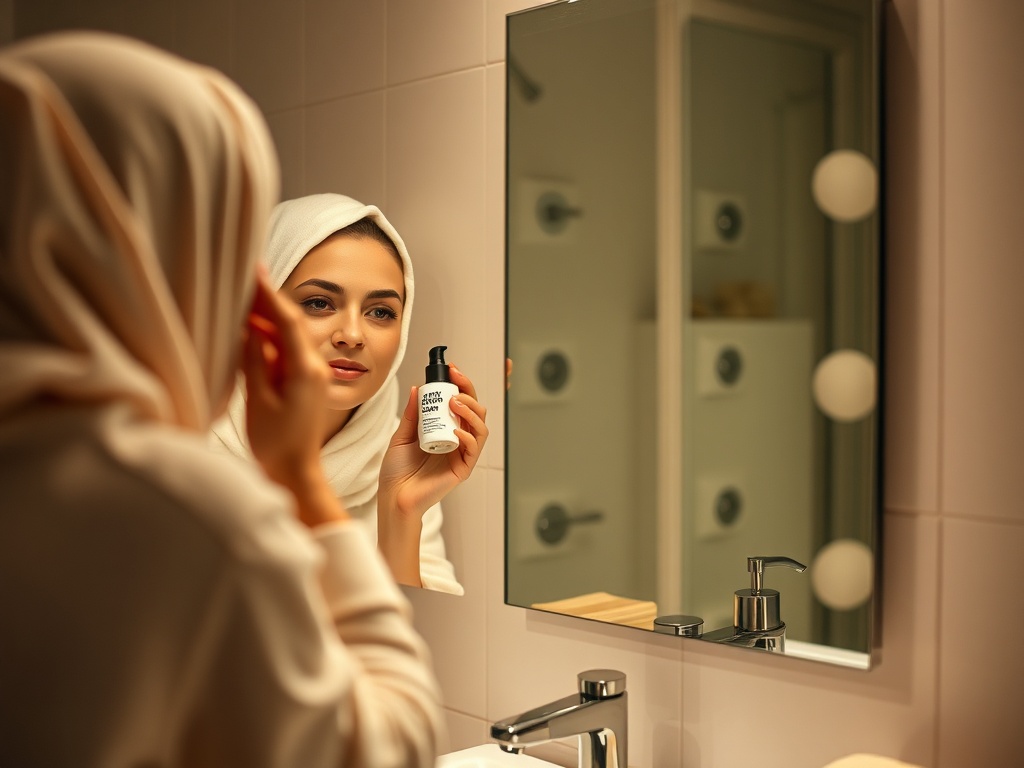
Nighttime is when your skin does most of its repair work. Your routine should support that.
- Cleanser: Double cleanse if you wear makeup or sunscreen.
- Treatment: Retinol, exfoliating acids, or targeted serums.
- Moisturizer: Slightly richer than your morning formula.
Consistency matters more than intensity. A simple routine done daily beats an aggressive one used occasionally.
How to Layer Products Correctly
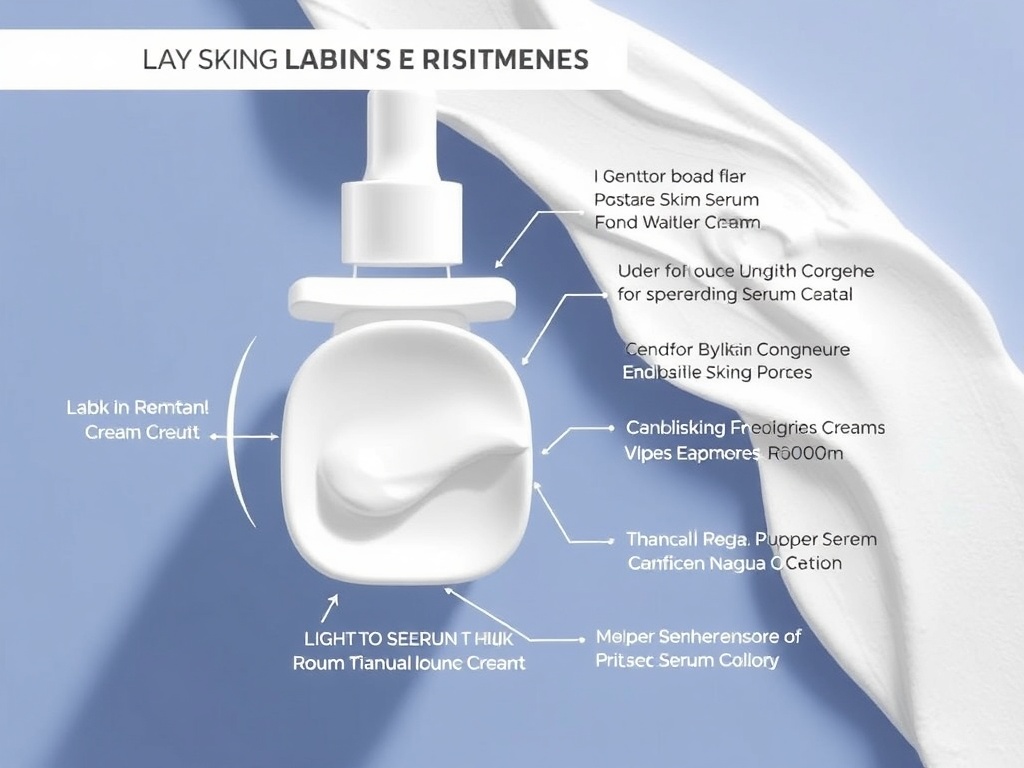
Order matters. Applying products incorrectly can reduce effectiveness or cause irritation.
Rule of thumb: Apply from thinnest to thickest texture.
- Cleanser
- Toner (optional)
- Serum
- Moisturizer
- Sunscreen (AM only)
Give each layer 30–60 seconds to absorb before applying the next.
Choosing Products for Your Skin Type
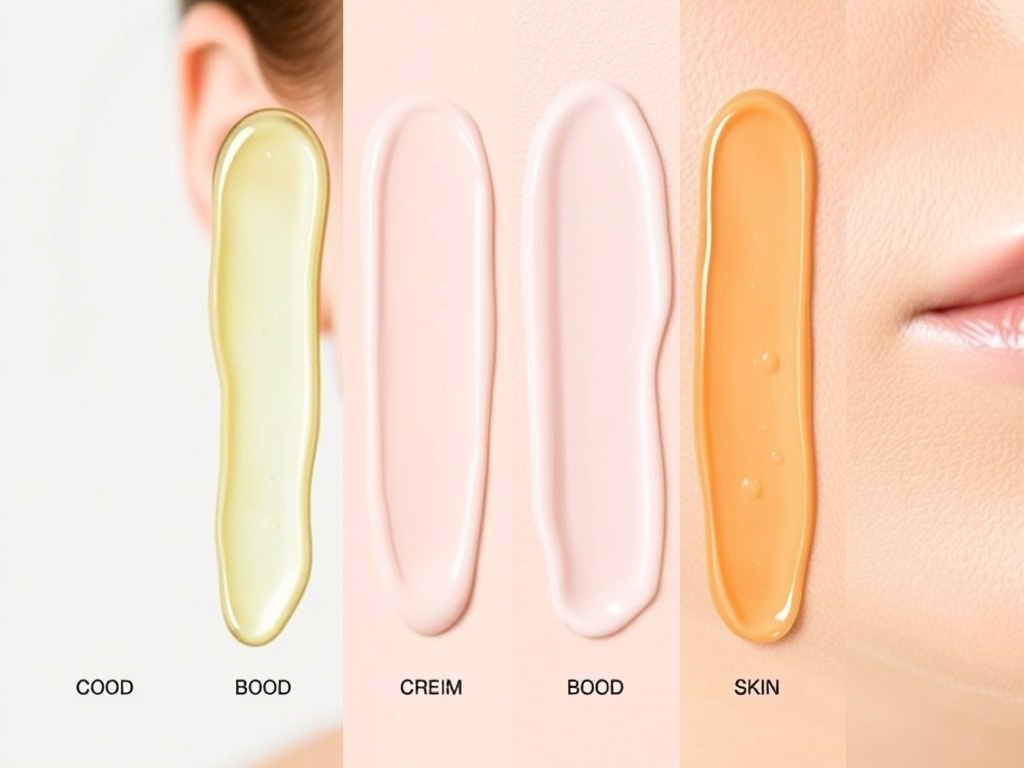
Not all products are created equal, and your skin type should guide your choices.
- Oily skin: Gel cleansers, lightweight moisturizers, niacinamide
- Dry skin: Cream cleansers, ceramides, hyaluronic acid
- Combination skin: Balance lightweight hydration with targeted treatments
- Sensitive skin: Fragrance-free, minimal ingredients, soothing formulas
Avoid copying someone else’s routine exactly—it rarely translates well.
Active Ingredients: What Actually Works
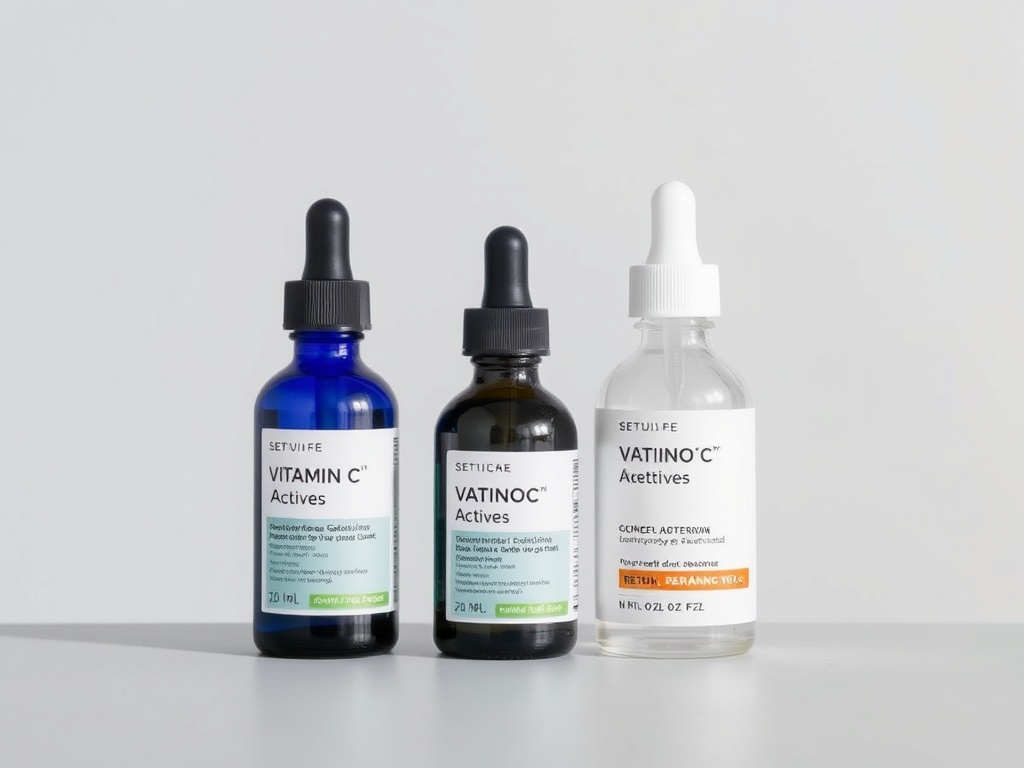
You don’t need dozens of actives, but a few proven ones can transform your skin.
- Vitamin C: Brightens and protects (AM)
- Retinol: Improves texture and fine lines (PM)
- Niacinamide: Balances oil and strengthens barrier
- AHAs/BHAs: Exfoliate and unclog pores
Start slowly. Overusing actives is one of the fastest ways to damage your skin barrier.
Common Mistakes That Ruin Your Routine

- Using too many products at once
- Skipping sunscreen
- Over-exfoliating
- Switching products too frequently
- Ignoring your skin’s feedback
If your skin is irritated, scaling back—not adding more—is usually the fix.
How Long Until You See Results?
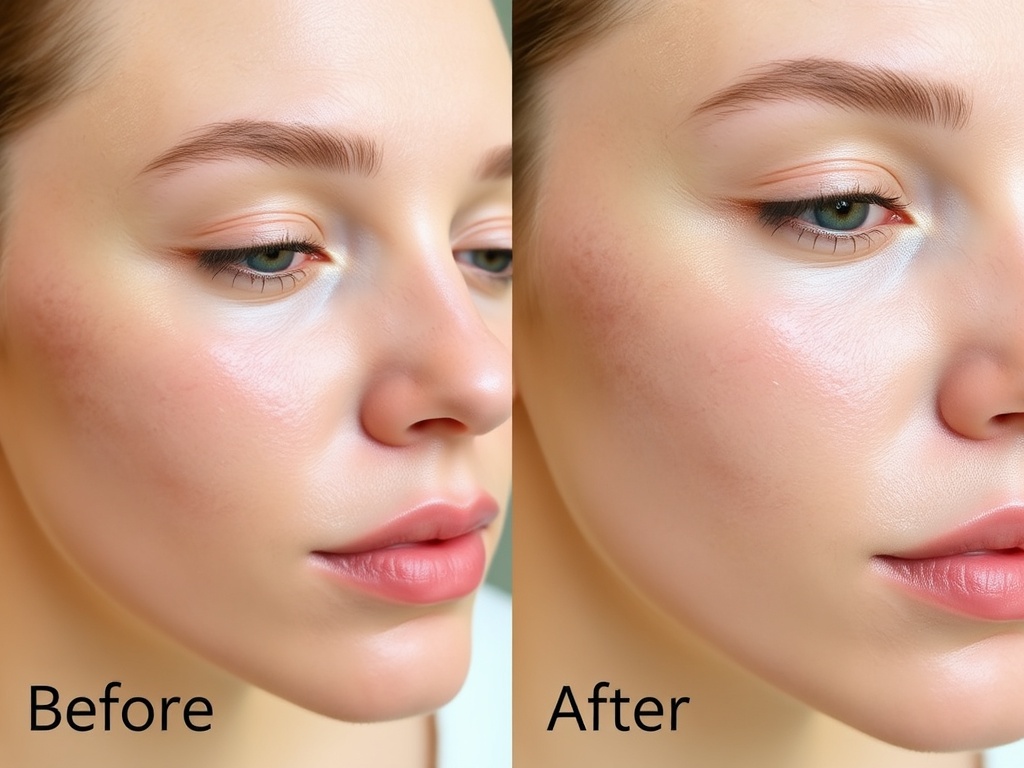
Skincare isn’t instant. Most products take weeks to show results.
- Hydration: a few days
- Acne improvements: 4–8 weeks
- Texture and fine lines: 8–12 weeks
Consistency is the difference between a routine that works and one that doesn’t.
Build a Routine You’ll Actually Stick To
The best routine is one you’ll use daily. Start simple, then add targeted products only if needed.
You don’t need perfection—you need consistency. Three to five well-chosen products used correctly will outperform a shelf full of unused ones.