
Mastering the Art of Layered Skincare: A Comprehensive Guide to Glowing, Healthy Skin

In the ever-evolving world of beauty and skincare, layering your products effectively can make a substantial difference in achieving radiant, healthy skin. Proper layering ensures that each product works optimally, allowing active ingredients to penetrate deeply and deliver results without interference.
Understanding Your Skin Type
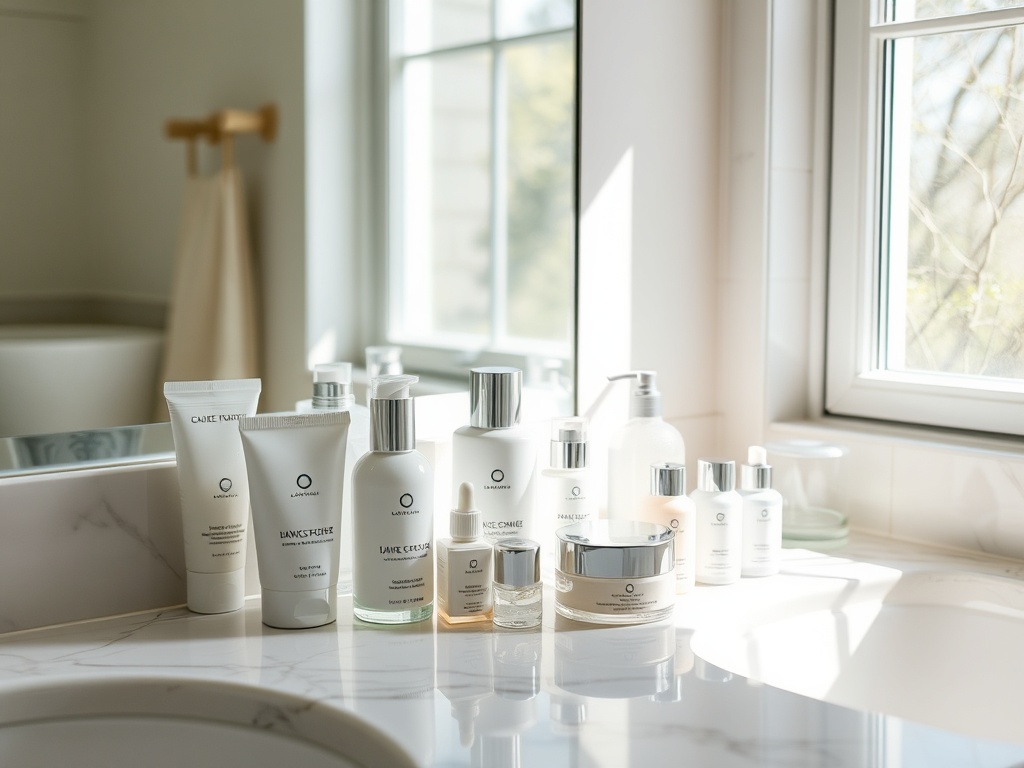
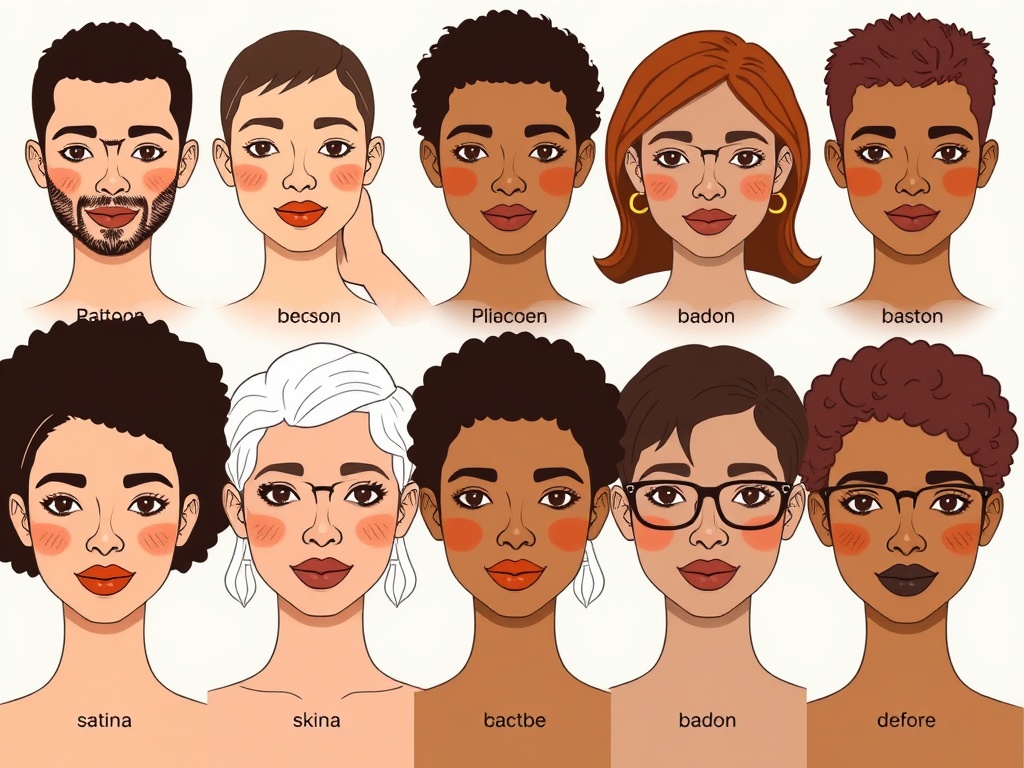
Before diving into product layering, it is essential to understand your skin type. Identifying whether you have oily, dry, combination, or sensitive skin will determine which products to prioritize. For instance, individuals with dry skin may benefit from heavier moisturizers, while those with oily skin might prefer lightweight gels.
The Basics of Skincare Layering
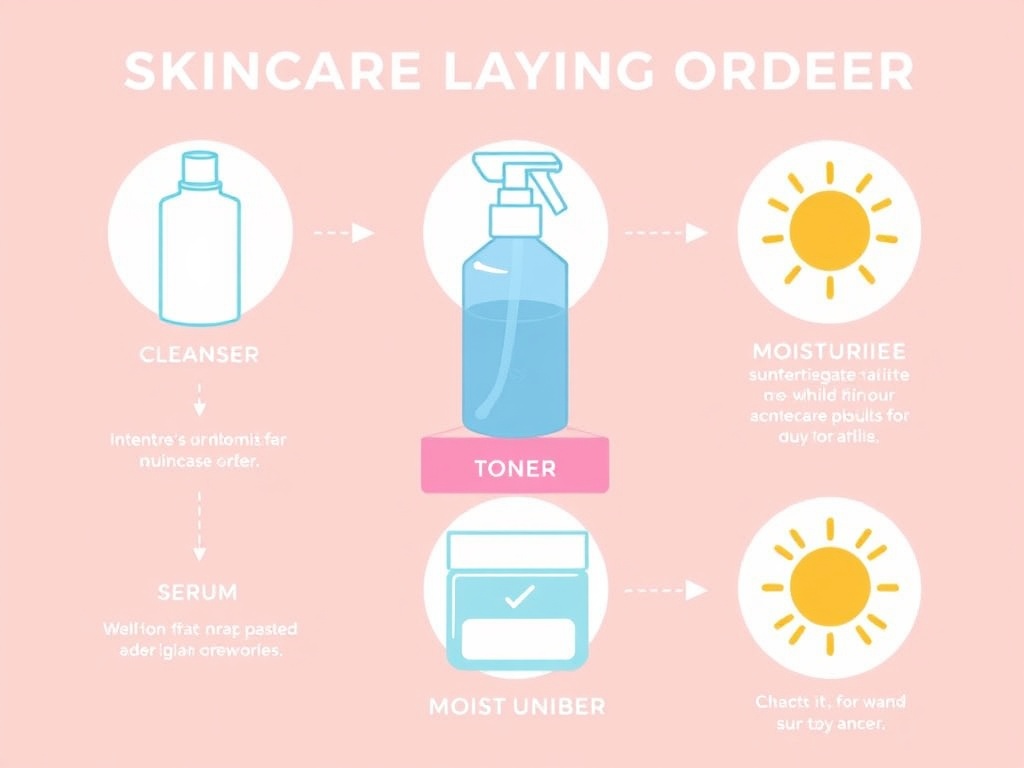
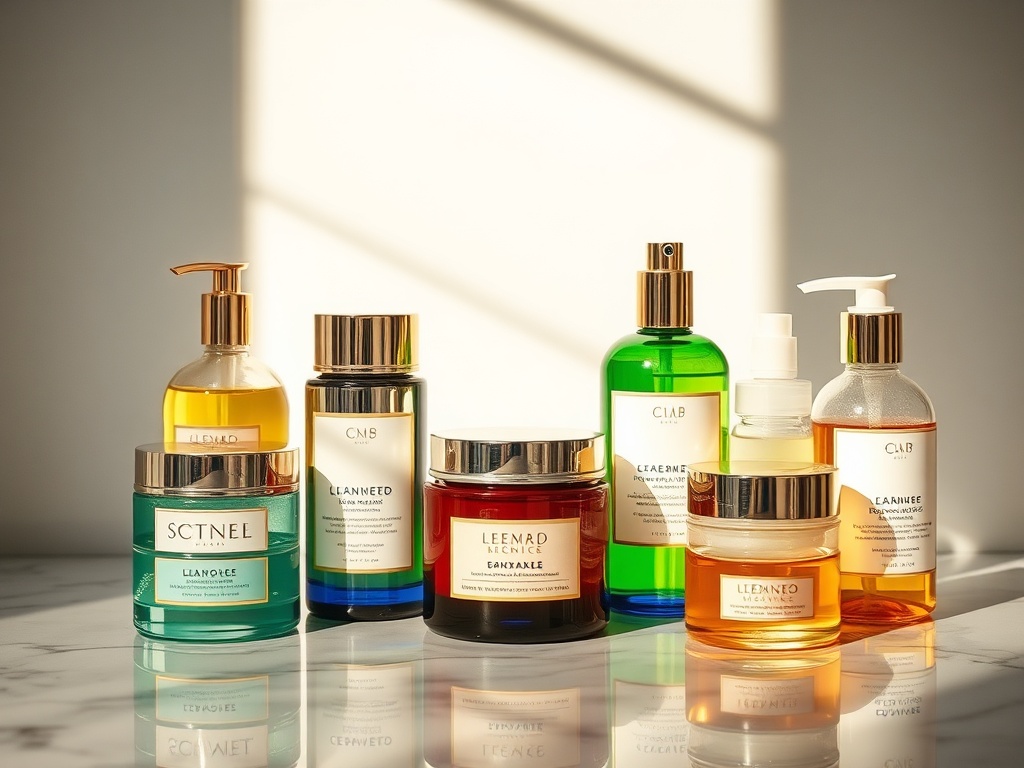
The fundamental rule is to apply products from thinnest to thickest consistency. Start with cleansing to remove impurities, follow with toners to balance pH, then serums targeting specific concerns, moisturizers for hydration, and finally sunscreen during the day.
Morning vs. Evening Routine
Morning routines typically focus on protection against environmental stressors. This means antioxidant serums and broad-spectrum SPF are crucial. Evening routines, in contrast, emphasize repair and regeneration, incorporating retinoids, peptides, and rich moisturizers to support skin recovery overnight.

Addressing Specific Skin Concerns
Different concerns such as hyperpigmentation, fine lines, or acne require strategic layering. For pigmentation, vitamin C serums should precede moisturizers. For anti-aging, peptides and retinoids are more effective when applied on clean, dry skin. Acne-prone skin may benefit from targeted spot treatments after serums and before moisturizers.
Combining Active Ingredients Safely
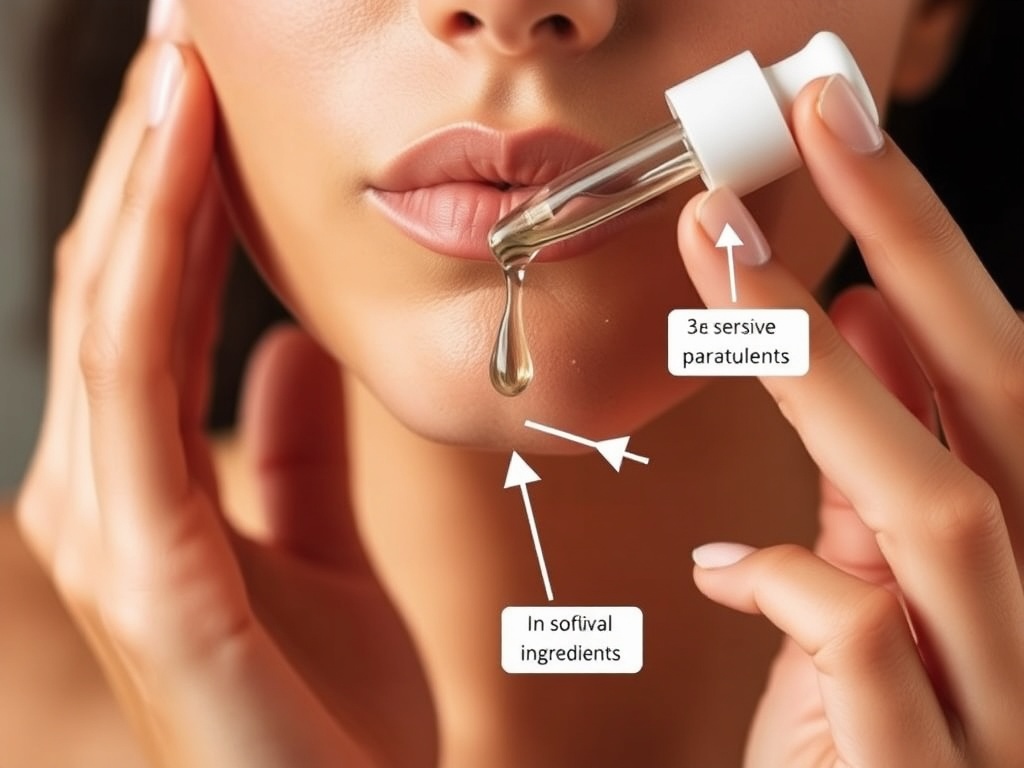
While layering active ingredients, caution is key. Certain combinations, like retinol with vitamin C, can cause irritation if not timed correctly. Alternate mornings and evenings or separate them in different routines. Always introduce new actives gradually to monitor skin response.
The Role of Moisturizers and Oils
Moisturizers lock in hydration and create a protective barrier, enhancing the efficacy of serums underneath. Facial oils, used strategically, can provide additional nourishment but should follow moisturizers to prevent blocking absorption of lighter products.
Sunscreen: The Final Step in Daytime Skincare
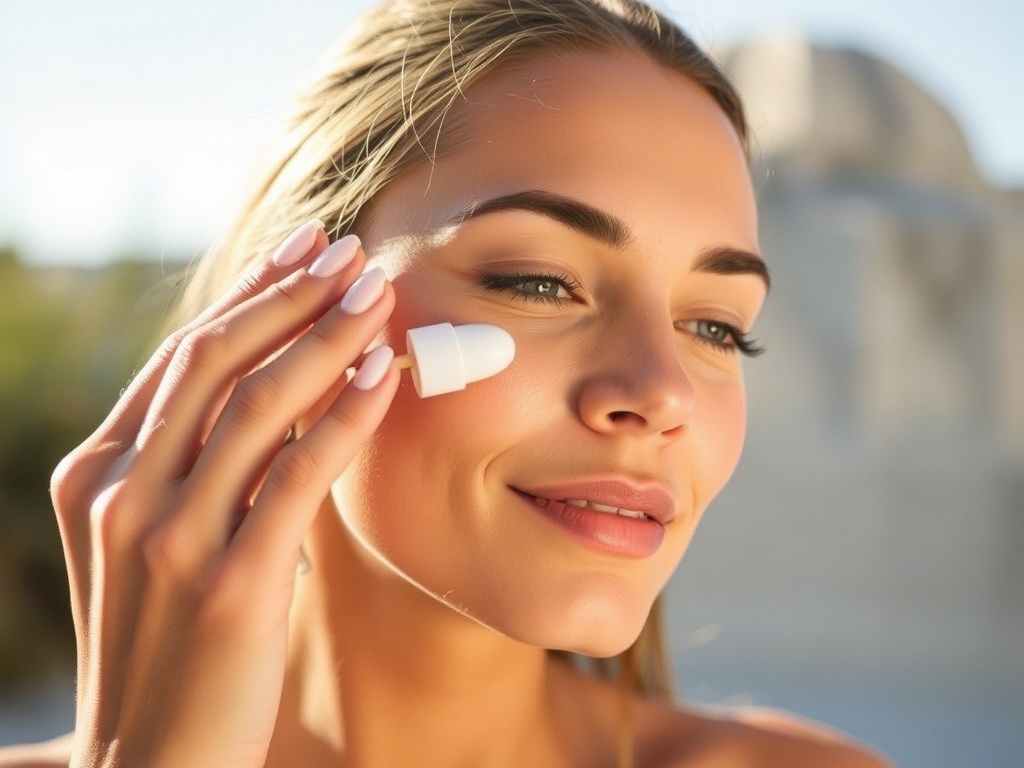
Regardless of skin type, sunscreen is non-negotiable. Apply generously and reapply throughout the day. It protects against UVA and UVB rays, preventing premature aging and pigmentation. Remember, sunscreen should be the last layer in your morning routine.
Common Layering Mistakes to Avoid
- Overloading products, which can lead to pilling.
- Applying active ingredients incorrectly or in the wrong order.
- Neglecting SPF during the day.
- Using too many products for the sake of multi-step routines.
Tips for Building Your Personalized Routine
Start with essential products and gradually introduce new actives. Patch test new items and observe skin reactions. Consistency is critical, and a simpler, well-executed routine often outperforms a complicated, over-layered regimen.
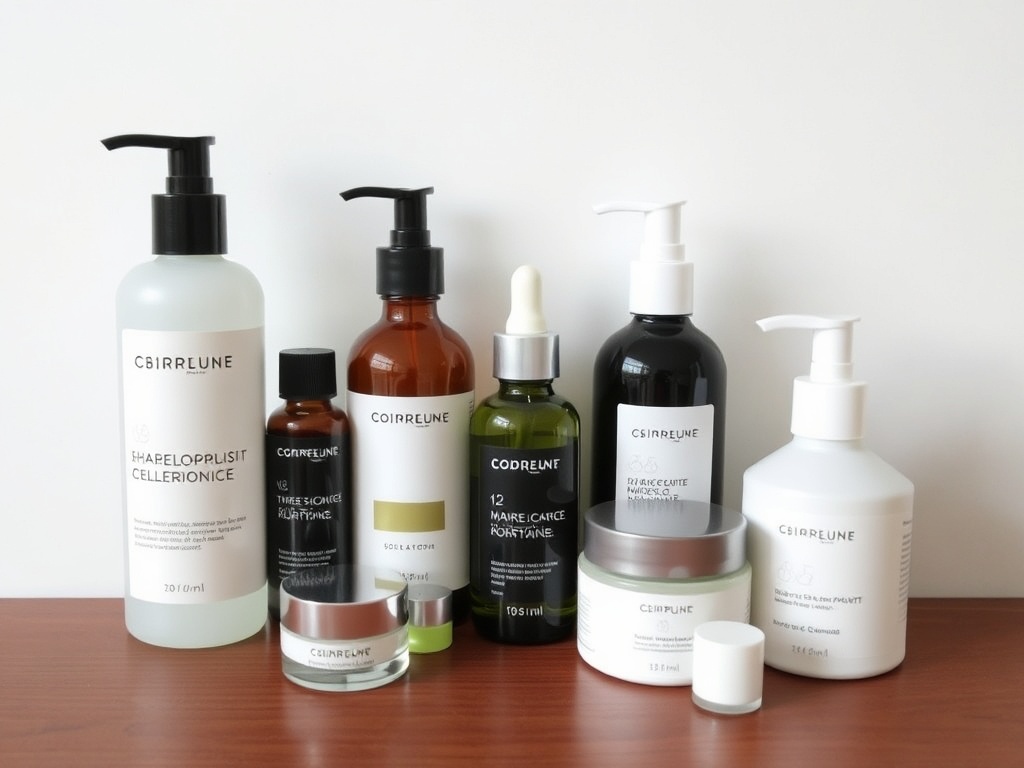
By mastering the art of skincare layering, you can maximize the benefits of each product and achieve a healthy, radiant complexion. Understanding your skin, following proper layering rules, and customizing routines for your specific concerns will provide long-term results and elevate your beauty routine.