
How to Build a Skincare Routine That Actually Works (Step-by-Step Guide for Real Results)

A skincare routine doesn’t need to be complicated to be effective—but it does need to be intentional. Most people either overdo it (too many actives, constant switching) or underdo it (random products, no consistency). The result? Breakouts, irritation, or just… nothing happening.
This guide walks you through a practical, results-focused routine you can actually stick to. No fluff, no 12-step overwhelm—just what works, why it works, and how to adapt it to your skin.
Step 1: Understand Your Skin Before You Buy Anything

Before adding products, figure out what your skin is doing on its own. This means observing it without interference for a few days.
- Oily: Shiny by midday, prone to clogged pores
- Dry: Tight, flaky, dull-looking
- Combination: Oily T-zone, dry cheeks
- Sensitive: Reacts easily, redness, stinging
Also note concerns: acne, pigmentation, fine lines, dehydration. Your routine should solve specific problems—not follow trends.
Step 2: Start With a Simple Core Routine
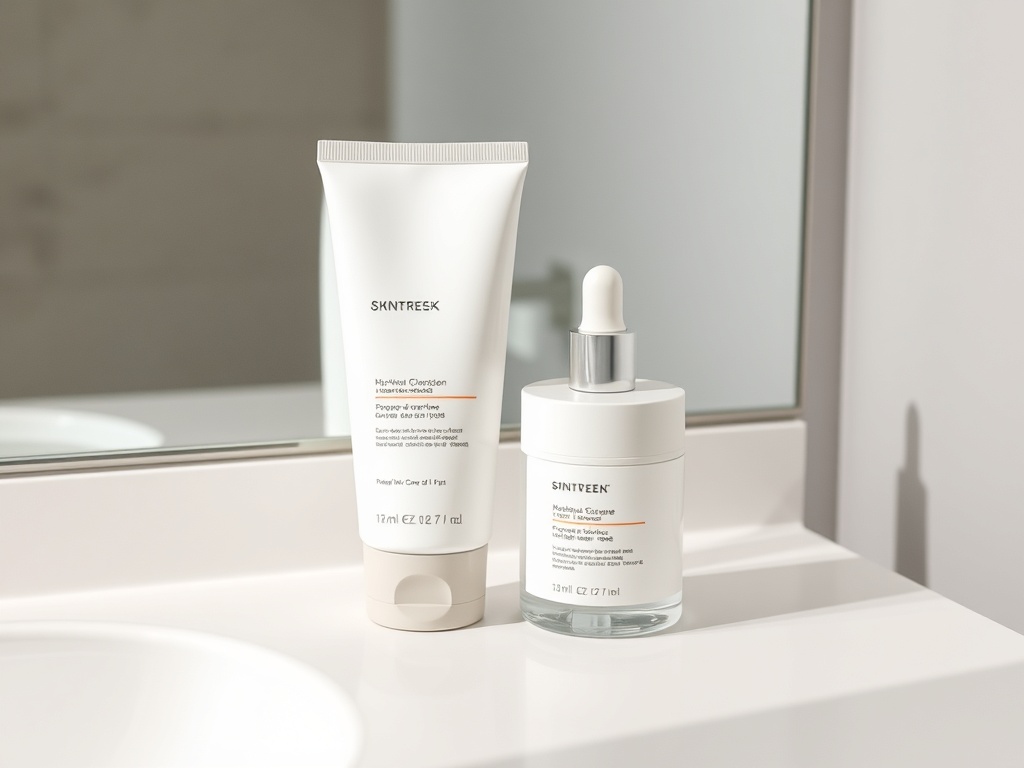
The foundation of good skin is surprisingly basic. You only need three essentials to begin:
- Cleanser
- Moisturizer
- Sunscreen (daytime)
This trio alone can dramatically improve your skin if used consistently. Everything else is optional—and should be added slowly.
How to Choose Each Product
- Cleanser: Gentle, non-stripping. Gel for oily skin, cream for dry skin.
- Moisturizer: Lightweight gel for oily types, richer cream for dry skin.
- Sunscreen: Broad-spectrum SPF 30+ minimum, every single morning.
Step 3: Add Targeted Treatments (One at a Time)
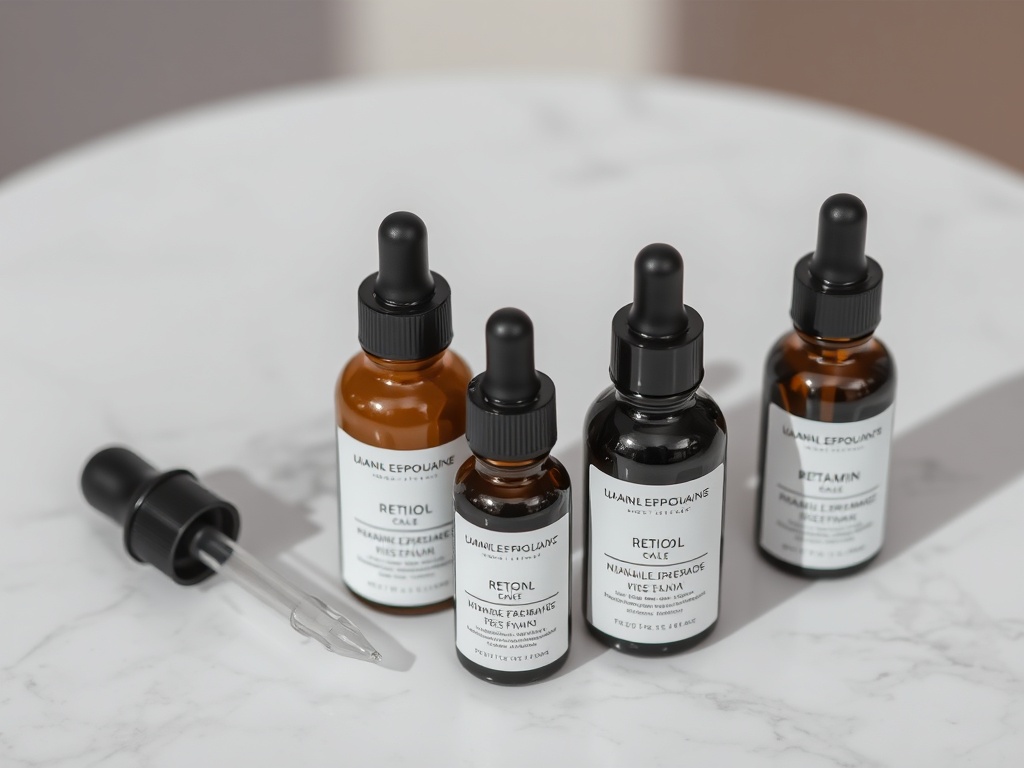
Once your base routine is stable (give it 2–3 weeks), you can introduce treatments. The key is restraint—adding too many at once is the fastest way to irritation.
Common Treatment Categories
- Vitamin C: Brightens and evens tone (morning)
- Retinol: Improves texture, acne, fine lines (night)
- Niacinamide: Balances oil, reduces redness
- Exfoliating acids (AHA/BHA): Smooth and unclog pores
Introduce only one new product every 2 weeks. This makes it easy to identify what’s working—and what isn’t.
Step 4: Learn the Correct Order of Application
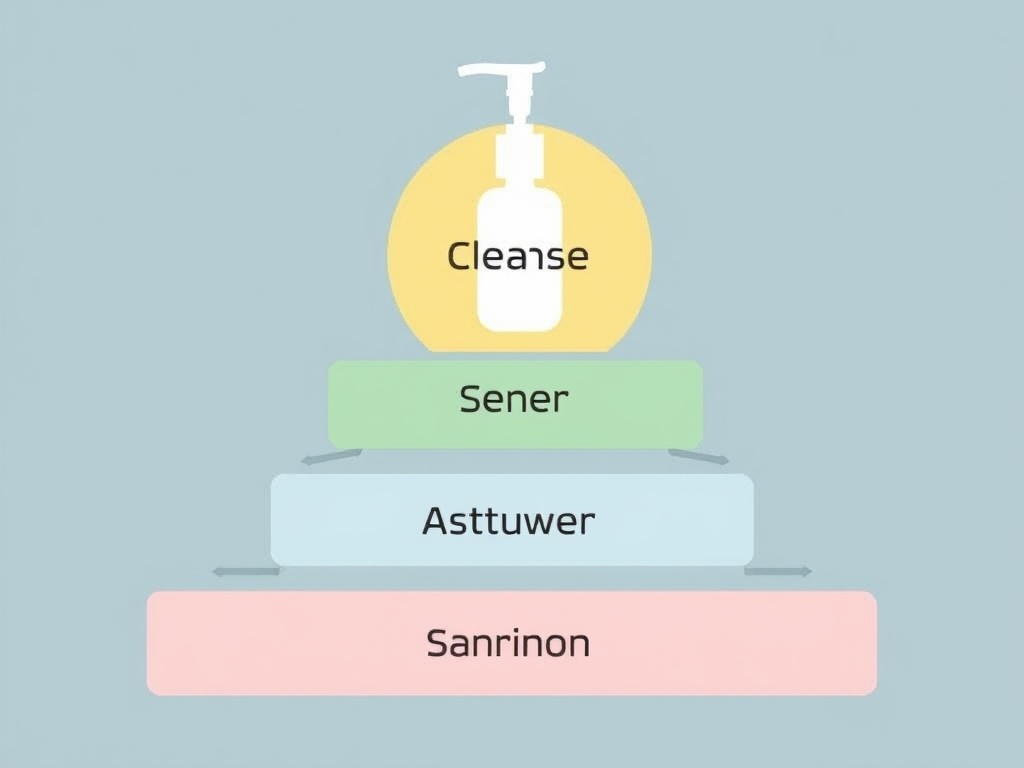
Layering matters more than most people think. Apply products from thinnest to thickest texture.
- Cleanser
- Toner (optional)
- Serum
- Moisturizer
- Sunscreen (AM only)
At night, skip sunscreen and use treatments like retinol instead.
Step 5: Build a Morning vs. Night Routine
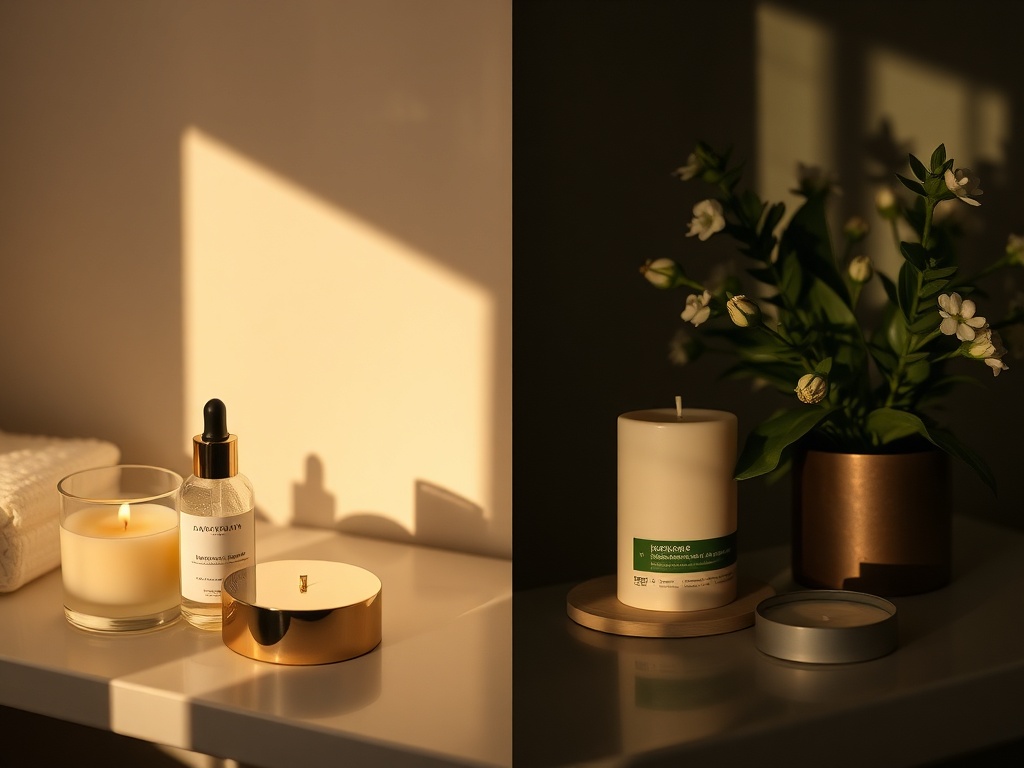
Your skin has different needs depending on the time of day.
Morning Routine
- Cleanser (or rinse with water)
- Vitamin C (optional)
- Moisturizer
- Sunscreen
Night Routine
- Cleanser (double cleanse if wearing makeup)
- Treatment (retinol or exfoliant)
- Moisturizer
Think of mornings as protection, nights as repair.
Step 6: Stay Consistent (This Is Where Most People Fail)
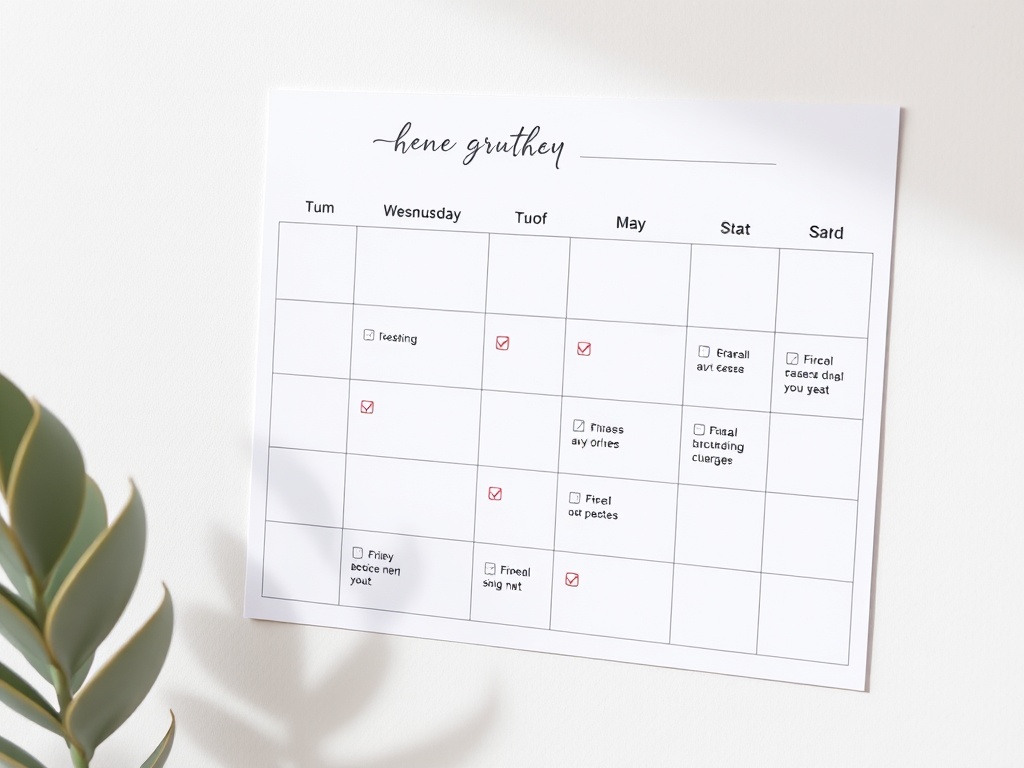
Consistency beats expensive products every time. Using a simple routine daily will outperform a complicated one you abandon after a week.
Expect realistic timelines:
- Hydration: a few days
- Acne improvement: 4–8 weeks
- Texture and tone: 8–12 weeks
If you keep switching products, you reset your progress.
Step 7: Avoid Common Mistakes That Ruin Results
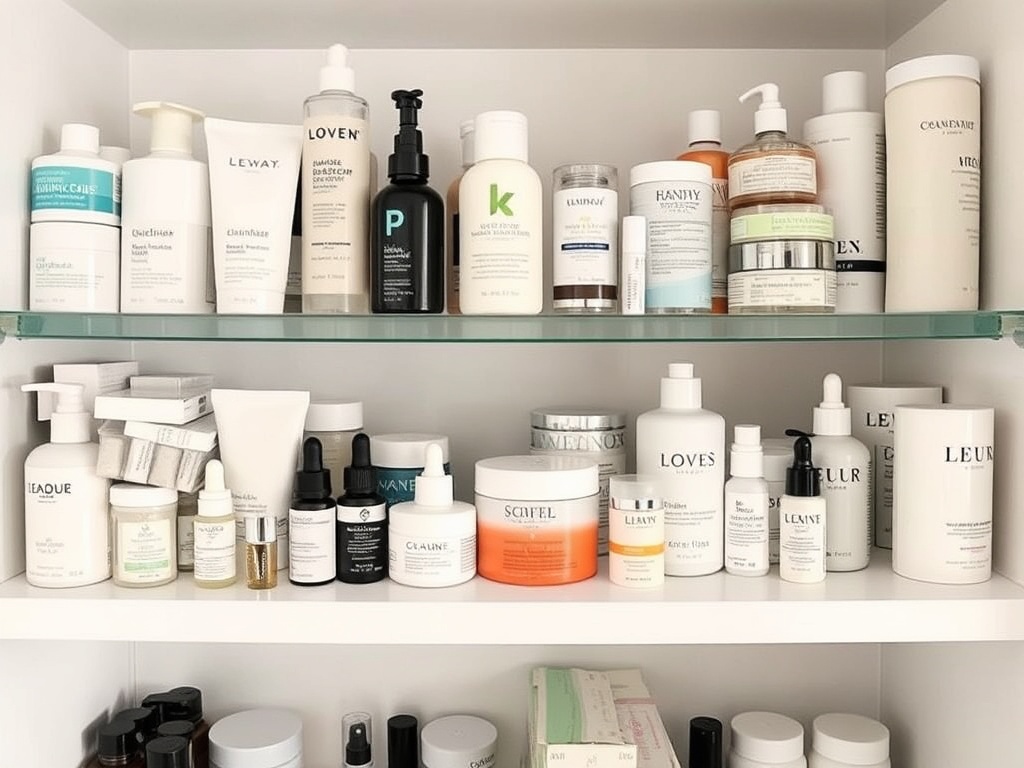
- Over-exfoliating: Leads to irritation and breakouts
- Skipping sunscreen: Undoes all your progress
- Using too many actives: Damages your skin barrier
- Chasing trends: Not every viral product is right for you
A calm, balanced routine will always outperform an aggressive one.
Step 8: Adjust Your Routine Seasonally
Your skin changes with the environment. Your routine should too.
- Winter: Add richer moisturizers, reduce exfoliation
- Summer: Use lighter textures, increase sun protection
Pay attention to how your skin feels—not just what products promise.
Step 9: Know When to Seek Professional Help

If you’re dealing with persistent acne, severe irritation, or conditions like rosacea, a dermatologist can save you months of trial and error.
Good skincare is about strategy—not guesswork.
Final Thoughts: Keep It Simple, Then Optimize
The best skincare routine is the one you’ll actually follow. Start simple, stay consistent, and build gradually. Most people don’t need more products—they need better habits.
Once your foundation is solid, you can experiment. But the basics? They should never change.
Steps
- 1
Understand Your Skin Before You Buy Anything
- 2
Start With a Simple Core Routine
- 3
Add Targeted Treatments (One at a Time)
- 4
Learn the Correct Order of Application
- 5
Build a Morning vs. Night Routine
- 6
Stay Consistent
- 7
Avoid Common Mistakes
- 8
Adjust Your Routine Seasonally
- 9
Know When to Seek Professional Help