
How to Build a Skincare Routine That Actually Works (Step-by-Step for Real Skin)

There’s a quiet frustration behind most skincare routines: you’re using the “right” products, but your skin still doesn’t look the way you expected. The issue usually isn’t effort—it’s structure. A routine only works when each step has a purpose, and when those steps fit your actual skin, not an idealized version of it.
This guide breaks down how to build a skincare routine that functions in real life—adaptable, efficient, and grounded in what your skin actually needs day to day.
Step 1: Identify Your Skin Type (and Stop Guessing)

Before choosing products, you need clarity. Most people misidentify their skin type, then build routines that fight themselves.
- Oily: Visible shine by midday, frequent breakouts, enlarged pores
- Dry: Tightness, flaking, dull tone
- Combination: Oily T-zone, dry or normal cheeks
- Sensitive: Easily irritated, reactive to new products
A simple test: wash your face, wait 30 minutes without applying anything. What your skin does next is your baseline—not what it looks like after moisturizer.
Step 2: Build the Core Routine (Cleanse, Treat, Protect)
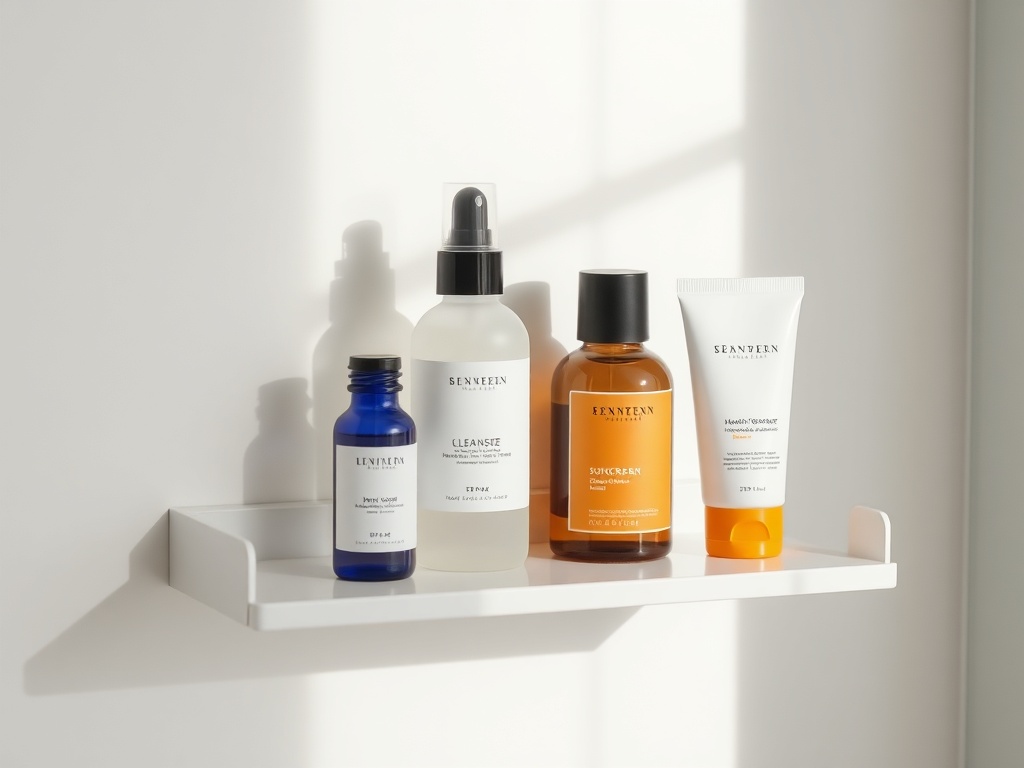
Every effective routine is built on four pillars:
- Cleanser
- Treatment (serum or active)
- Moisturizer
- Sunscreen (AM only)
If your routine has more than this before it works, it’s overcomplicated.
Morning Routine
- Gentle cleanser
- Antioxidant serum (like vitamin C)
- Lightweight moisturizer
- Broad-spectrum SPF 30+
Evening Routine
- Cleanser (double cleanse if wearing makeup/SPF)
- Treatment (retinol, exfoliant, or hydrating serum)
- Moisturizer
Consistency matters more than complexity. A simple routine done daily beats a 10-step routine you abandon after two weeks.
Step 3: Choose Treatments Based on One Goal at a Time
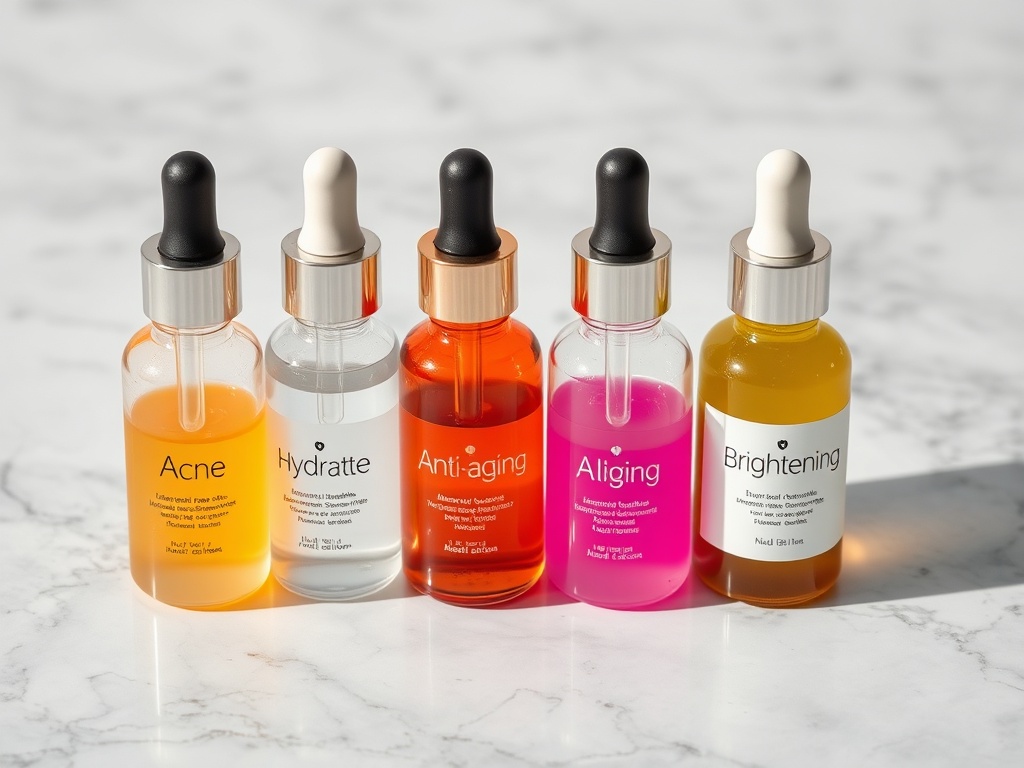
Layering multiple actives often backfires. Pick one primary goal:
- Acne: Salicylic acid or benzoyl peroxide
- Texture: AHAs like glycolic or lactic acid
- Aging: Retinol or peptides
- Dullness: Vitamin C or niacinamide
Use it consistently for 6–8 weeks before adding anything new. Skin needs time to respond.
Step 4: Understand Product Order (It Matters More Than You Think)
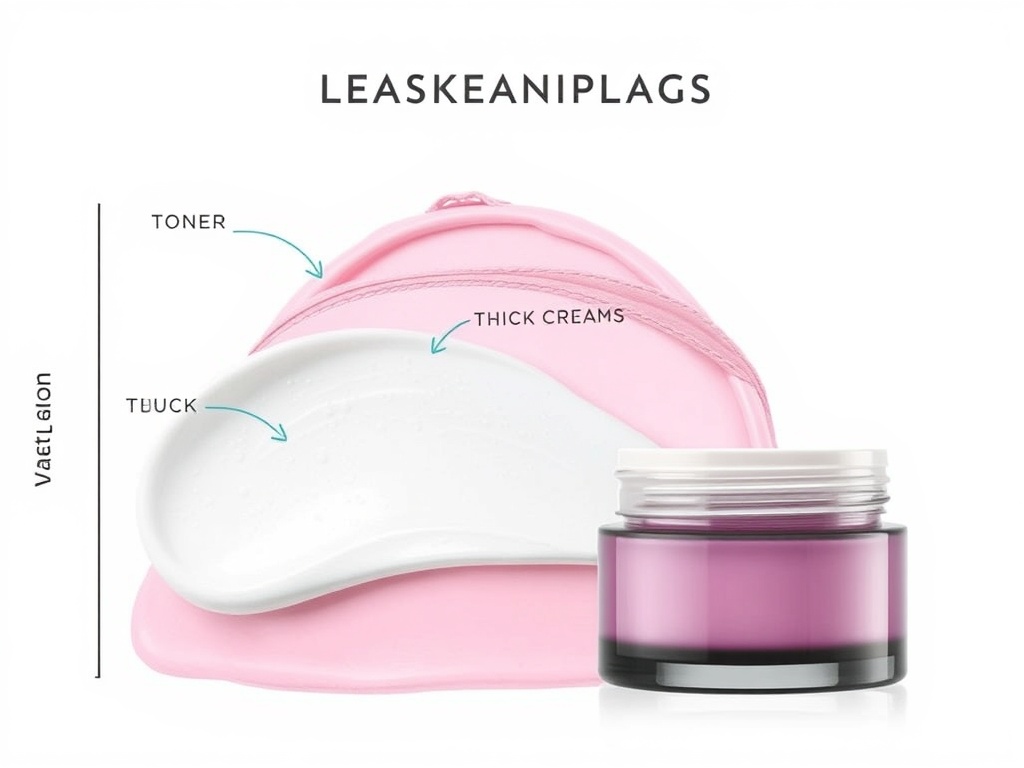
Apply products from thinnest to thickest texture:
- Cleanser
- Toner (optional)
- Serum
- Moisturizer
- Sunscreen (morning)
This ensures proper absorption. Applying heavy creams first blocks lighter treatments from penetrating.
Step 5: Adjust for Your Lifestyle (Not Just Your Skin)

Your routine should match how you actually live:
- Busy mornings → simplify to cleanser + SPF
- Frequent travel → focus on hydration and barrier repair
- Workout often → prioritize cleansing and lightweight products
The best routine is the one you’ll actually follow.
Step 6: Watch for Signs Your Routine Isn’t Working

Not every reaction is “purging.” Pay attention to:
- Persistent redness or burning
- Breakouts in new areas
- Tightness after cleansing
These are signs to scale back, not push through.
Step 7: Keep It Boring (That’s the Point)
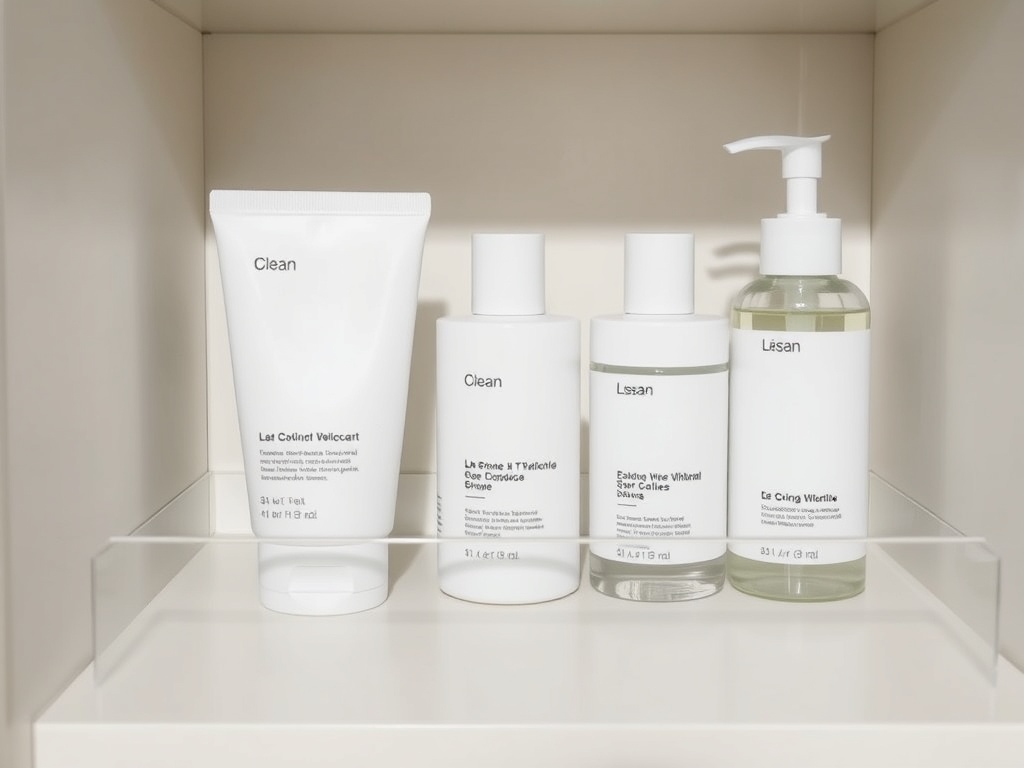
The most effective skincare routines are predictable. You’re not chasing trends—you’re building stability.
When your skin is balanced, then you can experiment. Not before.
Putting It All Together
A working skincare routine is less about buying better products and more about using fewer products correctly. Start simple, stay consistent, and adjust slowly.
Good skin isn’t built overnight—but it is built on structure.
Steps
- 1
Identify Your Skin Type
- 2
Build the Core Routine
- 3
Choose Treatments Based on One Goal
- 4
Understand Product Order
- 5
Adjust for Your Lifestyle
- 6
Watch for Signs of Issues
- 7
Keep It Simple