
How to Build a Skincare Routine That Actually Works (Step-by-Step for Real Results)

Most skincare routines fail for one simple reason: they’re built backwards. People chase trendy ingredients, layer too many actives, or copy routines that don’t match their skin. The result is irritation, wasted money, and zero consistency.
This guide fixes that. You’ll build a skincare routine step by step, based on how skin actually functions—not what’s trending this week.
Step 1: Identify Your Real Skin Type (Not What You Think It Is)

Before buying anything, you need to understand your baseline skin behavior. Not your occasional breakout. Not how your skin looked last winter. Your consistent, everyday state.
- Oily: Shine returns within hours, pores appear larger
- Dry: Tightness, flaking, dull texture
- Combination: Oily T-zone, normal or dry cheeks
- Sensitive: Reacts easily to products, redness or stinging
If you’re unsure, wash your face and leave it product-free for one hour. What happens next tells you more than any quiz.
Step 2: Start With the Non-Negotiables (Cleanser, Moisturizer, SPF)
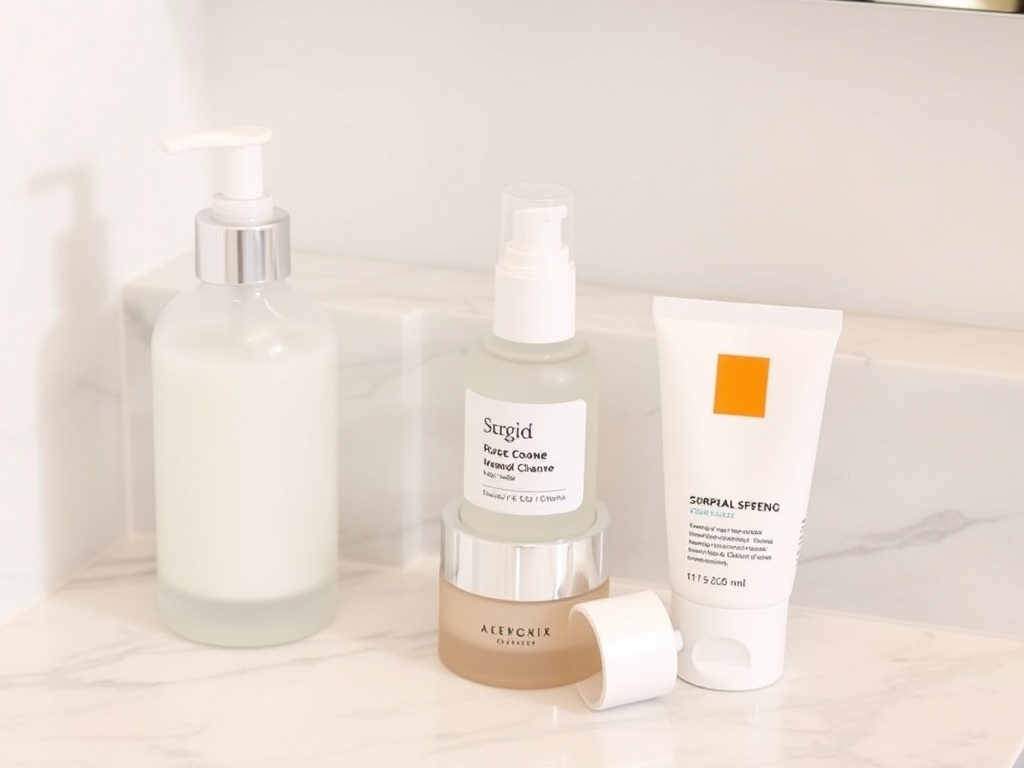
A working routine isn’t built on serums. It’s built on consistency with the basics.
Cleanser: Removes dirt, oil, and sunscreen without stripping your barrier. Gel cleansers work for oily skin; cream cleansers suit dry or sensitive types.
Moisturizer: Maintains hydration and supports your skin barrier. Even oily skin needs one—just choose a lighter texture.
SPF (morning only): The single most effective anti-aging and skin-protecting step. No exceptions.
If your routine doesn’t include daily sunscreen, nothing else matters.
Step 3: Add One Targeted Treatment (Not Five)

This is where most routines go wrong. People stack actives—retinol, acids, vitamin C—without understanding interactions.
Instead, pick one primary goal:
- Acne → salicylic acid or benzoyl peroxide
- Texture → chemical exfoliant (AHA/BHA)
- Dark spots → niacinamide or vitamin C
- Fine lines → retinol (start slow)
Use it consistently for 4–6 weeks before adding anything else. Skin needs time to respond.
Step 4: Build a Simple AM vs PM Structure
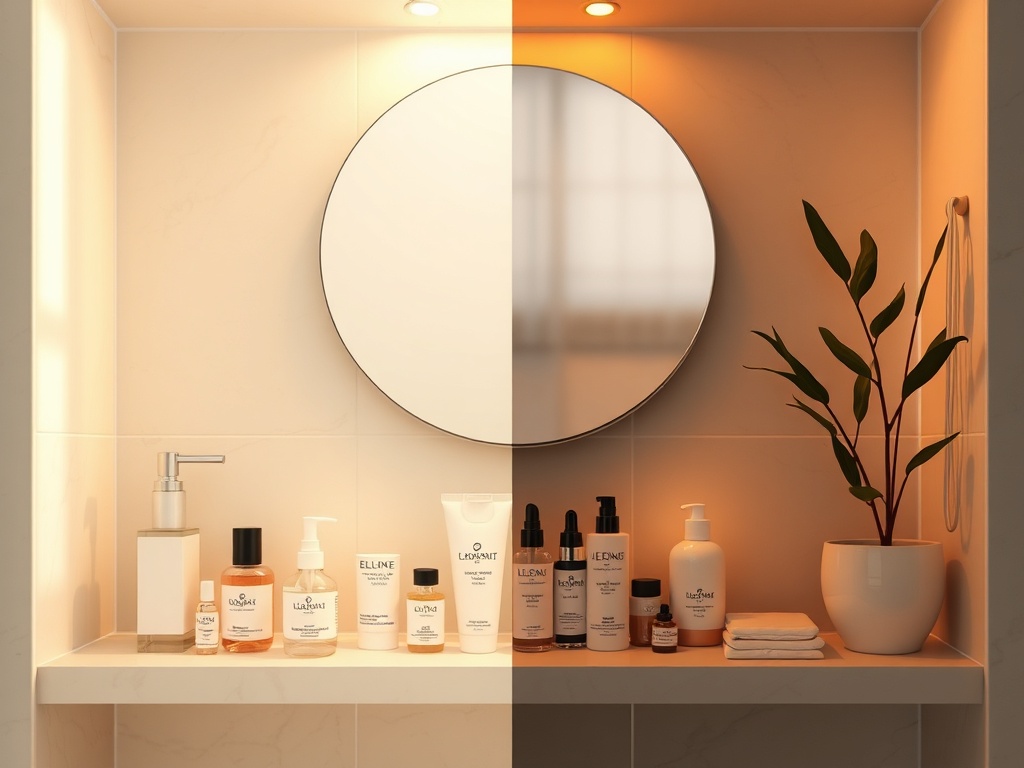
Your morning and night routines should not be identical.
Morning (AM):
- Cleanser (optional if skin is dry)
- Treatment (light, like vitamin C)
- Moisturizer
- SPF
Evening (PM):
- Cleanser
- Treatment (stronger actives like retinol or acids)
- Moisturizer
This separation reduces irritation and makes your routine sustainable.
Step 5: Introduce Products Slowly (The 2-Week Rule)
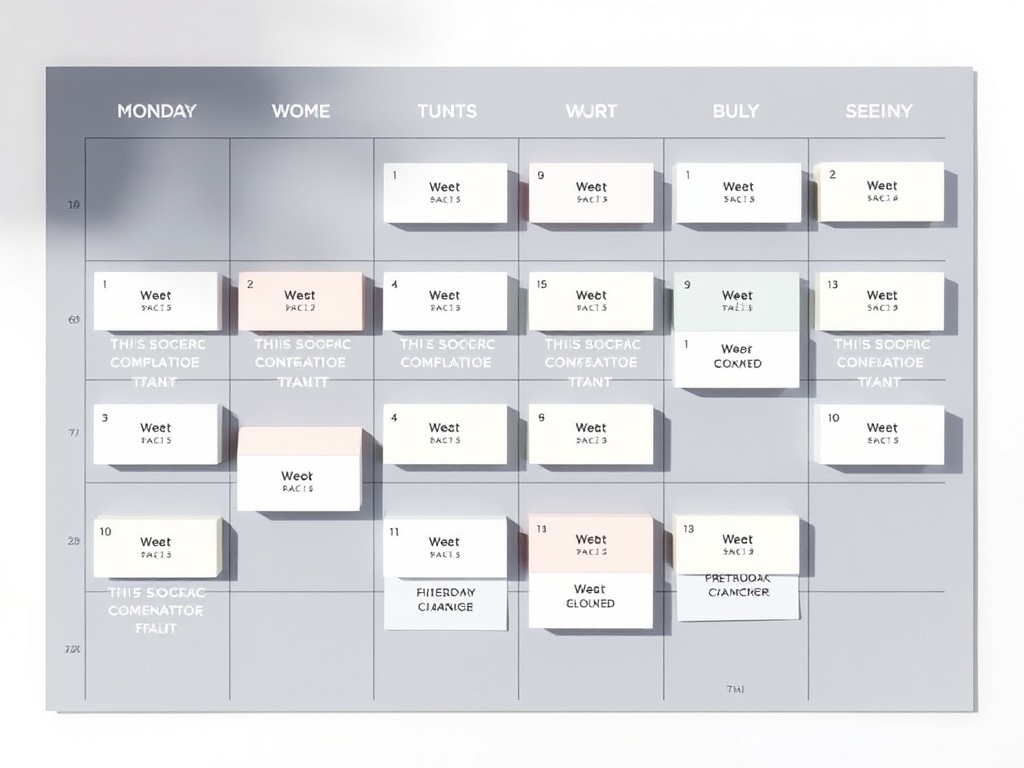
Adding multiple new products at once is the fastest way to ruin your skin—and your ability to troubleshoot problems.
Follow this rule:
- Add one new product
- Use it for 2 weeks
- Watch for irritation, breakouts, or improvement
If something goes wrong, you’ll know exactly what caused it.
Step 6: Pay Attention to Your Skin Barrier
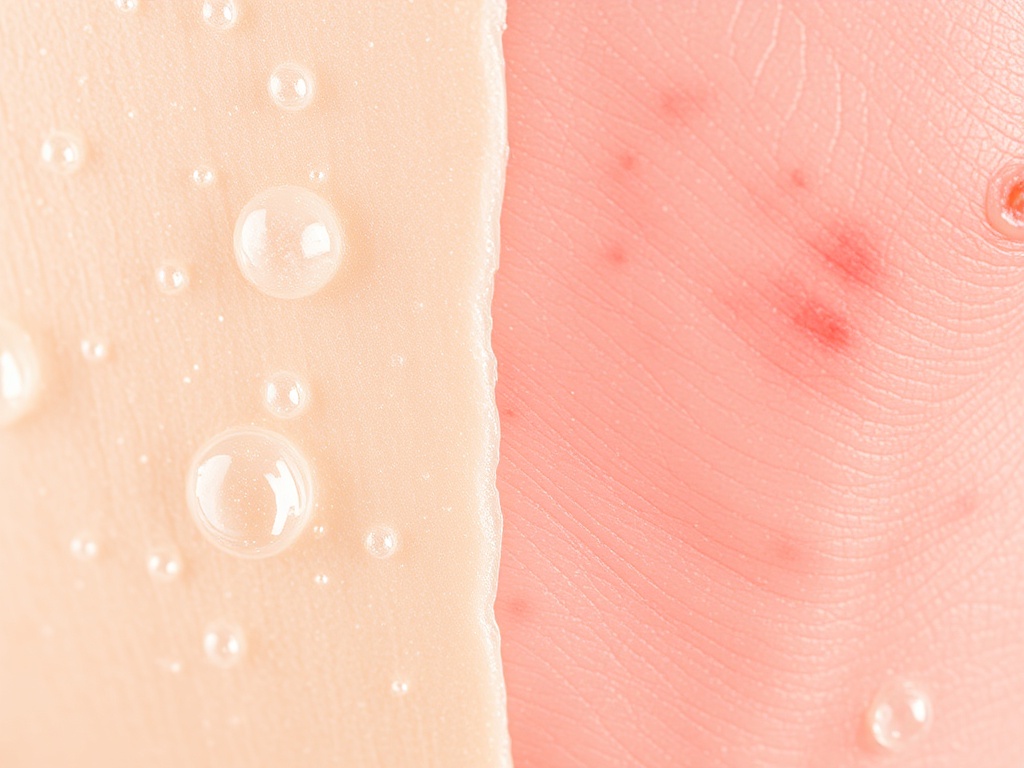
Your skin barrier is what keeps moisture in and irritants out. When it’s damaged, everything stops working.
Signs of a compromised barrier:
- Stinging when applying basic products
- Sudden dryness or oiliness
- Redness and sensitivity
If this happens, stop actives and go back to cleanser, moisturizer, and SPF until your skin stabilizes.
Step 7: Adjust Based on Results, Not Hype

Skincare is iterative. What worked six months ago may not work now.
Evaluate your routine every 6–8 weeks:
- Is your main concern improving?
- Is your skin comfortable daily?
- Are you using too many products?
If your skin looks calm and consistent, you’re doing it right—even if your routine is simple.
Common Mistakes That Quietly Ruin Your Routine
- Over-exfoliating (more is not better)
- Switching products too quickly
- Skipping sunscreen
- Using harsh cleansers that strip the skin
- Layering incompatible actives
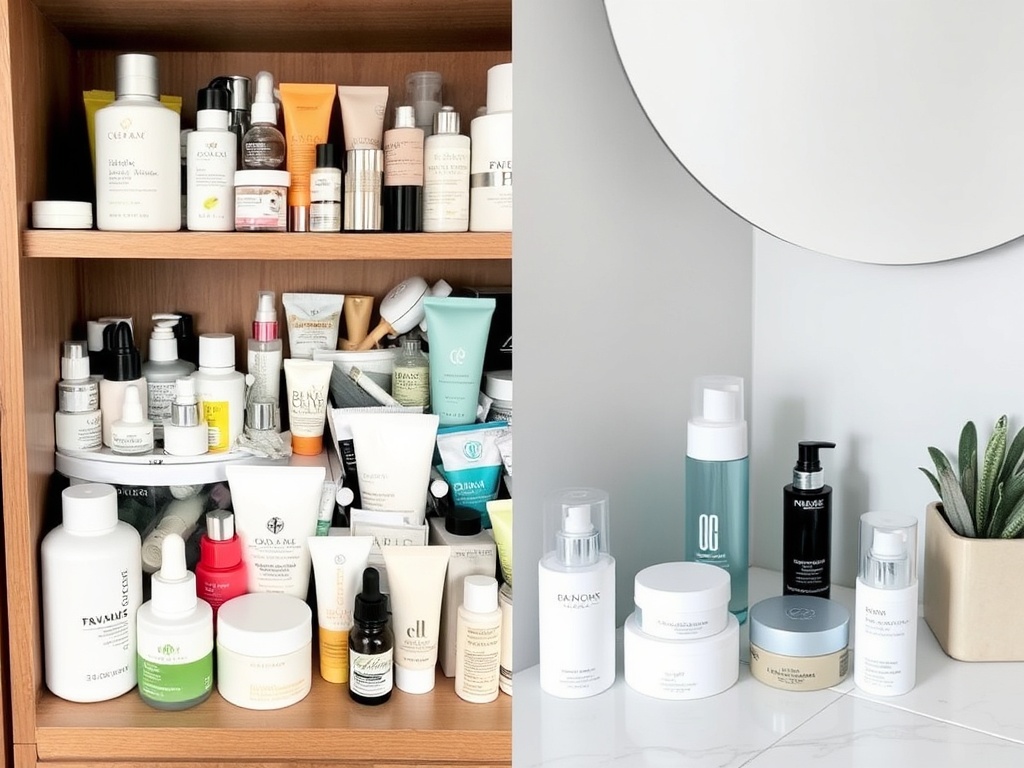
Most people don’t need more products—they need fewer, used correctly.
The Bottom Line
A skincare routine that works isn’t complicated. It’s consistent, intentional, and tailored to your skin—not someone else’s shelf.
Start simple. Stay patient. Add complexity only when your skin asks for it.