
How to Build a Skincare Routine That Actually Works (Step-by-Step for Every Skin Type)

A skincare routine shouldn’t feel like guesswork or a 12-step obligation you secretly dread. The goal is simple: healthy, resilient skin that behaves predictably. That comes from consistency, not excess. If your current routine feels chaotic—or worse, ineffective—this guide will walk you through building one that actually delivers results.
Step 1: Identify Your Real Skin Type (Not the One You Think You Have)

Most people mislabel their skin. Oily skin isn’t just shine—it’s persistent excess sebum across the T-zone and cheeks. Dry skin feels tight even after moisturizing. Combination skin shifts depending on the area. Sensitive skin reacts easily to new products.
Quick test: Cleanse your face and wait 30 minutes with no products. Observe how your skin feels and looks:
- Tight and flaky → Dry
- Shiny everywhere → Oily
- Shiny T-zone, normal cheeks → Combination
- Red, itchy, reactive → Sensitive
This matters because every product choice that follows depends on this step.
Step 2: Start With the Only Three Products You Actually Need
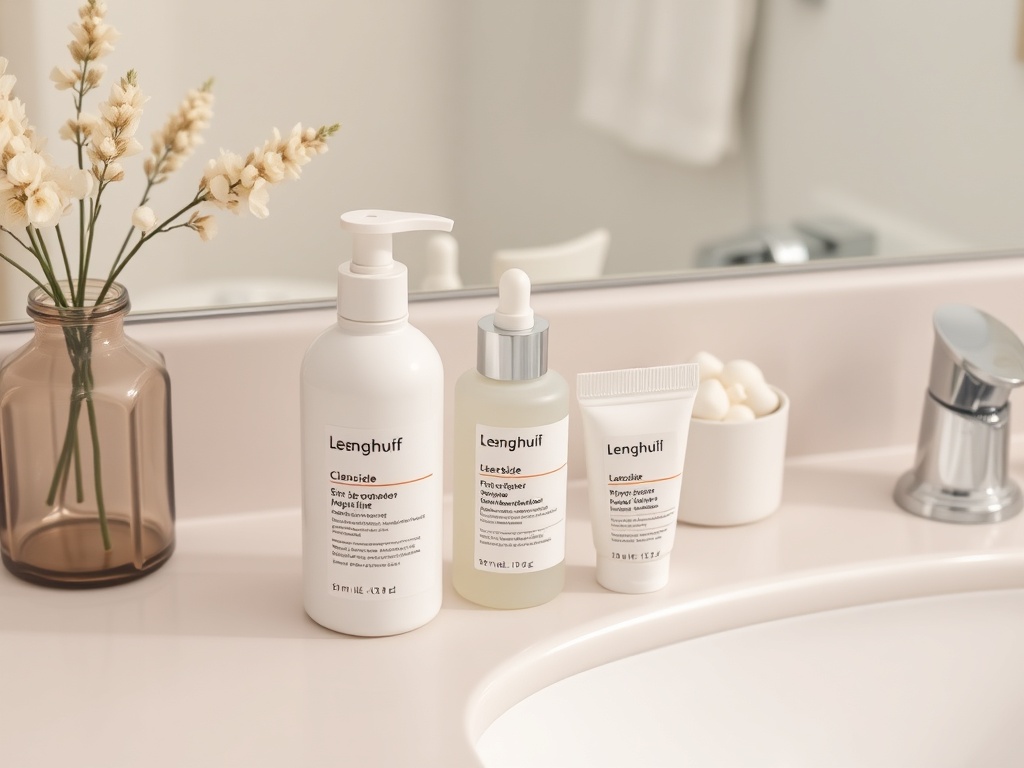
You don’t need a shelf full of serums to see results. A functional routine starts with three essentials:
- Cleanser – removes dirt, oil, sunscreen
- Moisturizer – supports your skin barrier
- Sunscreen (SPF 30+) – prevents damage and aging
If you only do these consistently, you’re already ahead of most people.
Choose based on your skin type:
- Dry: Creamy, non-foaming cleanser + rich moisturizer
- Oily: Gel cleanser + lightweight, oil-free moisturizer
- Sensitive: Fragrance-free everything
Step 3: Introduce Actives Slowly (This Is Where Most People Mess Up)
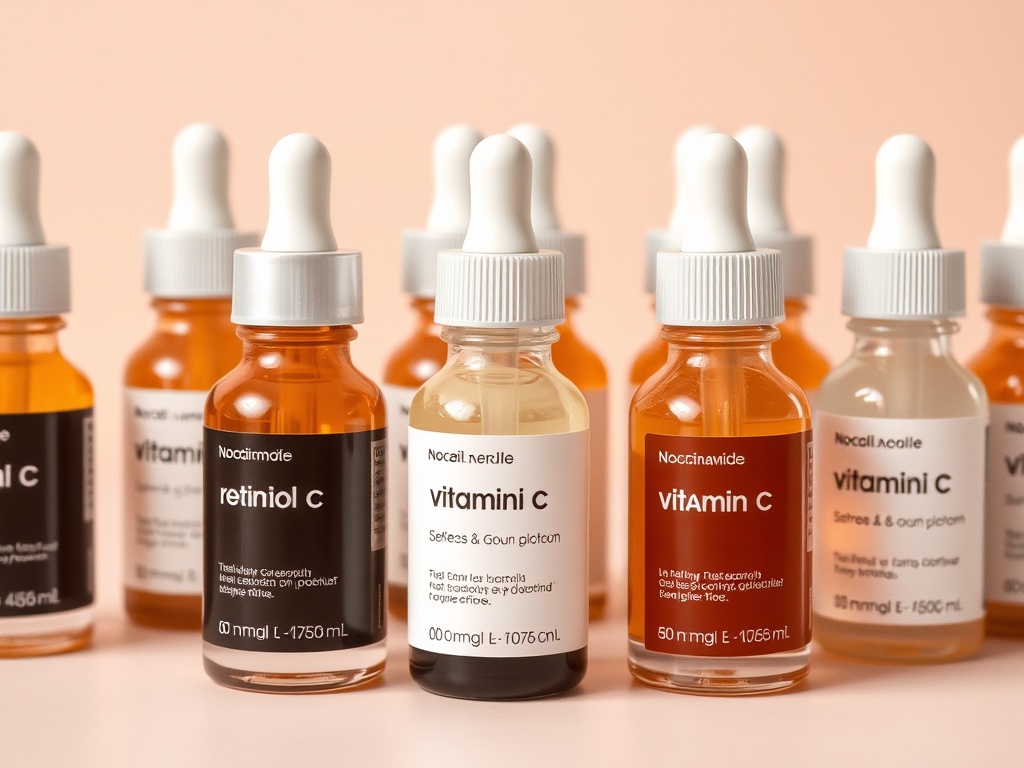
Actives are powerful—but they’re also the fastest way to damage your skin if used incorrectly.
Start with one active at a time:
- Vitamin C (morning) – brightens and protects
- Retinol (night) – improves texture and fine lines
- Niacinamide – balances oil and reduces redness
- Exfoliating acids (AHA/BHA) – unclog pores and smooth skin
Introduce one product, use it for 2–3 weeks, and watch how your skin responds before adding another.
Rule: If your skin feels irritated, simplify immediately.
Step 4: Build a Morning Routine That Protects

Your morning routine should be simple and defensive. Think protection, not correction.
- Cleanser (or just water if your skin is dry)
- Optional: Vitamin C serum
- Moisturizer
- Sunscreen (non-negotiable)
Sunscreen is the most important step. Without it, every other product is working uphill.
Step 5: Build a Night Routine That Repairs

Night is when your skin recovers. This is where targeted treatments go.
- Cleanser (double cleanse if wearing makeup or SPF)
- Treatment (retinol or exfoliant, not both on the same night)
- Moisturizer
Consistency beats intensity. A gentle routine done daily outperforms an aggressive one done inconsistently.
Step 6: Learn the Difference Between Hydration and Moisture
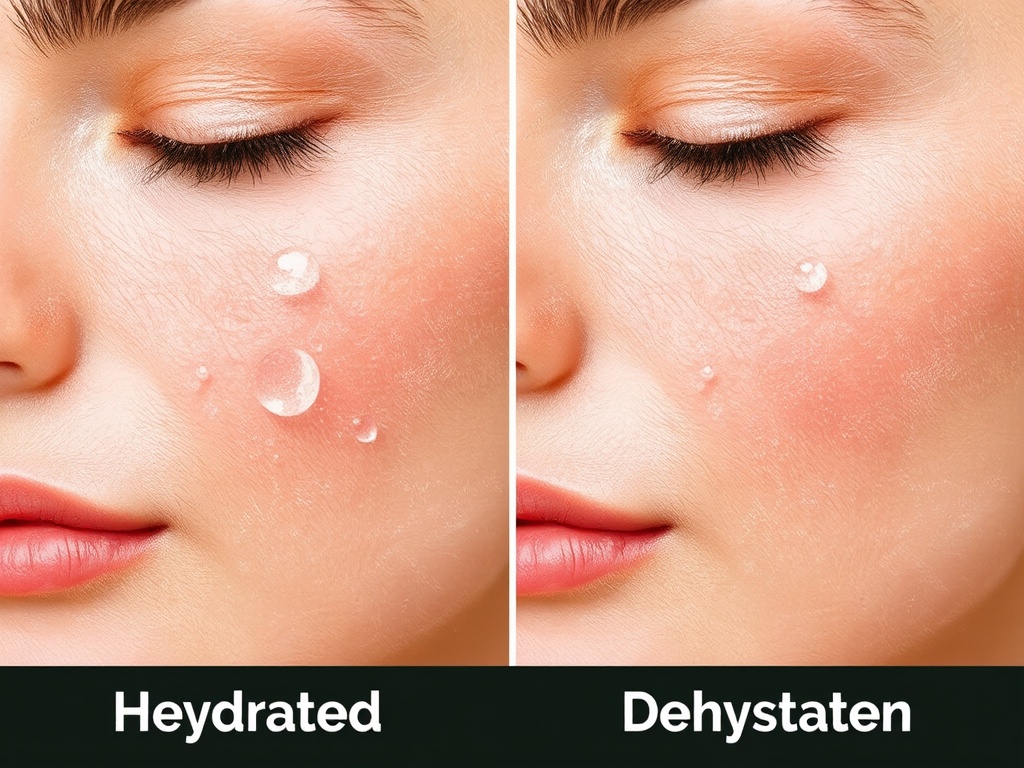
This is a subtle but critical distinction:
- Hydration = water content (think hyaluronic acid)
- Moisture = oil barrier (think creams and occlusives)
Oily skin can still be dehydrated. Dry skin often needs both hydration and moisture. If your skin feels tight but looks shiny, you’re likely dehydrated—not oily.
Step 7: Avoid These Common Routine Mistakes
- Using too many actives at once
- Switching products too quickly
- Skipping sunscreen
- Over-exfoliating
- Expecting overnight results
Skin improves on a timeline of weeks, not days. Give products time to work.
Step 8: Adjust Your Routine Seasonally

Your skin changes with the environment. Your routine should too.
- Winter: richer moisturizers, fewer exfoliants
- Summer: lighter textures, stronger sun protection
Ignoring seasonal changes is one of the easiest ways to end up with irritated or unbalanced skin.
Step 9: Track What Actually Works
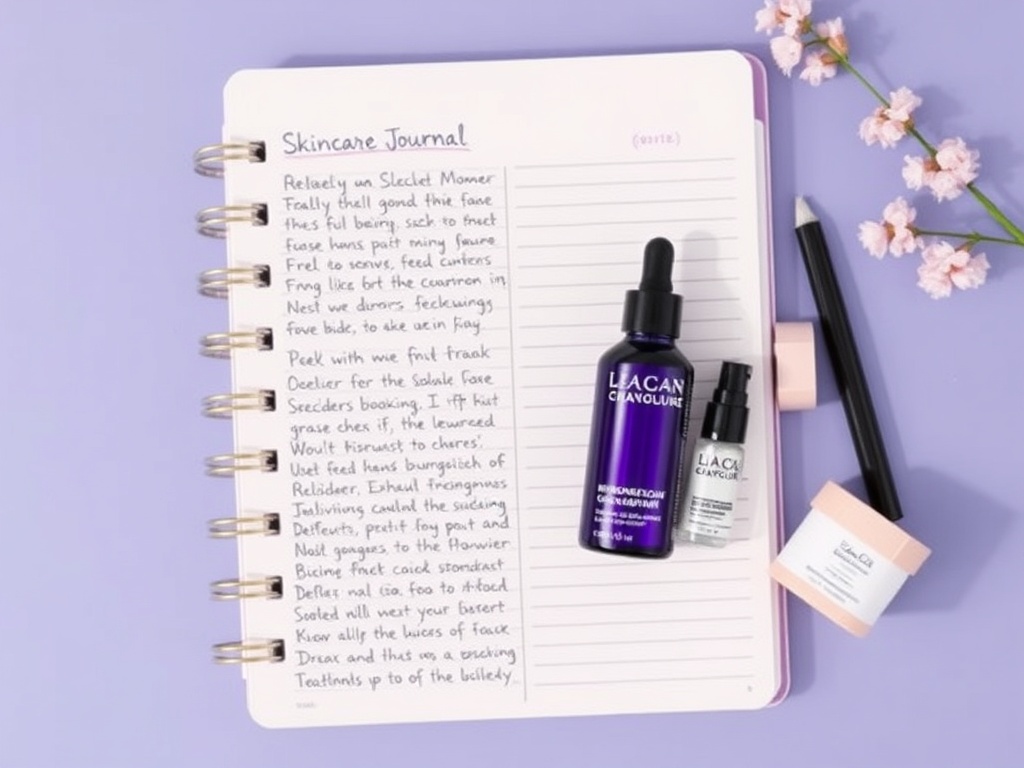
Most people rely on memory, which is unreliable. Track your routine:
- What products you’re using
- When you introduced them
- How your skin responds
This helps you identify patterns and avoid repeating mistakes.
Step 10: Keep It Boring (That’s the Secret)
The most effective skincare routines are not exciting. They’re consistent, minimal, and tailored to your skin’s needs.
If your routine feels complicated, it’s probably not sustainable—and that’s where results fall apart.
The bottom line: A great skincare routine is built slowly, adjusted carefully, and followed consistently. Focus on what your skin needs, not what’s trending.