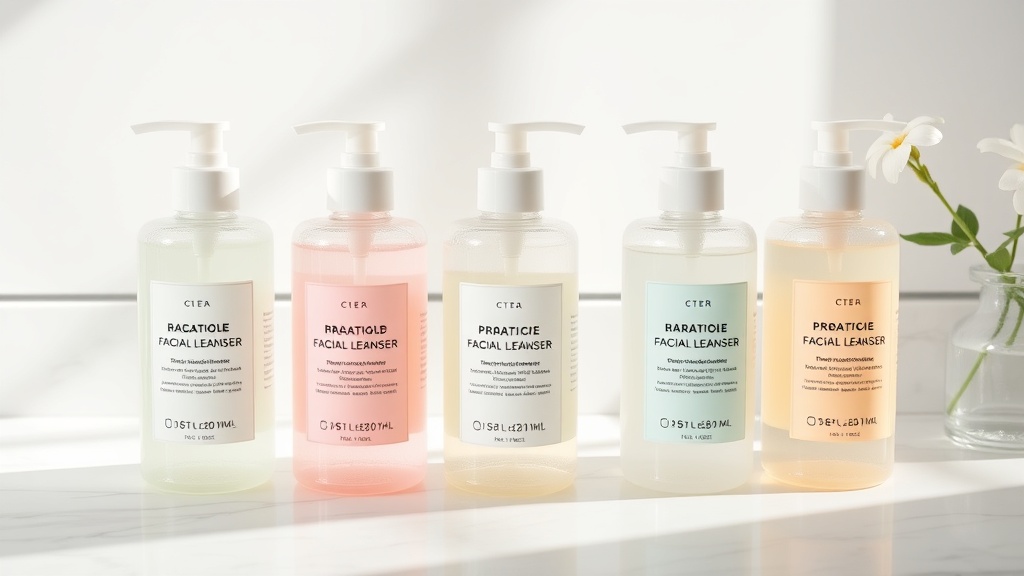
Dermatologist‑Recommended pH‑Balanced Cleansers for 2026

Did you know your cleanser could be sabotaging your skin’s natural acidity? Most over‑the‑counter washes sit at a pH of 7‑9, tipping the delicate balance of your skin barrier and inviting irritation.
Understanding and maintaining the right pH is a cornerstone of healthy skin, especially during spring cleaning when we swap out winter products for lighter formulas. This quick‑hit guide shows you how to test your cleanser’s pH at home and reveals the five dermatologist‑recommended, pH‑balanced cleansers that actually work in 2026.
What is the ideal skin pH and why does it matter?
Healthy skin is slightly acidic, typically ranging from 4.7 to 5.75 (optimal around 5.5)[Eucerin]. This acidity supports the lipid barrier, keeps harmful microbes at bay, and allows enzymes that repair and renew skin cells to function properly. When the surface becomes too alkaline, the barrier weakens, leading to redness, dryness, and breakouts.
How can you test the pH of your cleanser at home?
Testing is easier than you think. You’ll need a simple pH test strip (available at pharmacies or online). Follow these steps:
- Mix a small sample. Dilute one teaspoon of your cleanser in 50 ml of distilled water.
- Dip the strip. Submerge the pH strip for 2–3 seconds, then remove.
- Read the color. Compare the strip to the chart on the package; a reading between 4.5 and 6.0 is ideal.
- Record your results. Keep a quick note in your skincare journal so you can track changes.
For a more precise measurement, consider a digital pH meter, but strips are perfectly adequate for most home users.
Which pH‑balanced cleansers are dermatologist‑recommended in 2026?
After reviewing recent dermatologist surveys and product ingredient analyses, these five cleansers consistently hit the 4.5‑6.0 sweet spot while delivering gentle yet effective cleansing.
- CeraVe Hydrating Cleanser – pH 5.0, ceramide‑rich formula that restores barrier lipids. [CeraVe]
- La Roche‑Posay Toleriane Hydrating Gentle Cleanser – pH 5.2, includes niacinamide for soothing inflammation. [LRP]
- First Aid Beauty Pure Skin Face Cleanser – pH 5.5, fragrance‑free and packed with oat extract. [First Aid Beauty]
- Vanicream Gentle Facial Cleanser – pH 5.3, free of dyes, parabens, and sulfates – a favorite for sensitive skin. [Vanicream]
- Paula’s Choice RESIST Perfectly Balanced Cleanser – pH 5.4, contains antioxidants and a mild surfactant blend. [Paula’s Choice]
All five have been highlighted in recent dermatology conferences as “pH‑friendly” options that maintain barrier integrity while removing makeup and pollutants.
How do I integrate a pH‑balanced cleanser into my routine?
Replace your current wash with one of the above options in the morning and evening steps. Follow these quick tips:
- Use lukewarm water – hot water can temporarily raise skin pH.
- Massage gently for 30 seconds; avoid harsh scrubbing.
- Rinse thoroughly and pat dry with a clean towel.
- Follow with a pH‑compatible toner (around 5.5) to lock in balance.
For a deeper dive on testing your routine’s overall pH, see my earlier Skincare pH 101 guide.
What common mistakes should I avoid?
Even with the right cleanser, a few habits can undo your efforts:
- Skipping the rinse. Residual product can shift pH upward.
- Using alkaline toners. Look for toners labeled “pH‑balanced” or with a pH between 4.5‑6.0.
- Over‑exfoliating. Physical scrubs can strip the acid mantle, making the skin more alkaline.
Takeaway: Test your cleanser’s pH, swap to a dermatologist‑approved, pH‑balanced formula, and keep your routine gentle. Within a week you’ll notice less redness, smoother texture, and a more resilient barrier — perfect timing for your spring skincare reset.
Related Reading
- Spring Skincare Reset: Transition Without Breakouts – A seasonal guide to swapping products safely.
- 5 Skincare Tips That Actually Work – Evidence‑based habits to boost any routine.
- How to Double Cleanse – When and how to layer cleansers for oily skin.