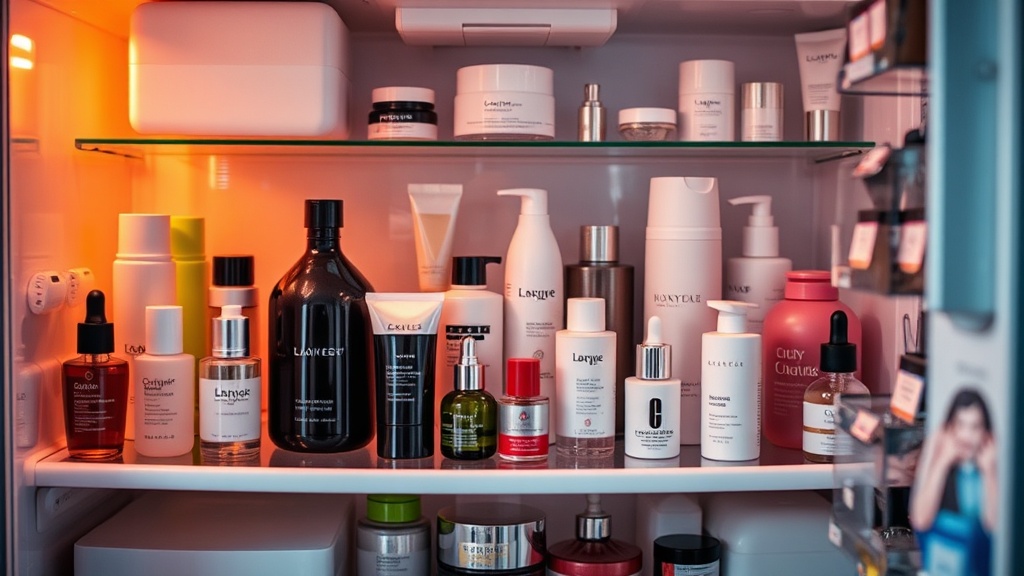
Building a High-Performance Skincare Fridge Collection

Are you wondering if your skincare products actually need to be kept cold to work effectively? This guide breaks down the science of temperature-controlled storage, identifies which active ingredients benefit from refrigeration, and helps you curate a high-performance collection without wasting money on products that don't need it.
Does a Skincare Fridge Actually Work?
A skincare fridge works by providing a stable, cool environment that can slow down the oxidation of certain volatile ingredients and provide a soothing sensation upon application. While it won't turn a basic moisturizer into a miracle cure, the thermal regulation is particularly helpful for specific actives and inflammatory relief.
From a pharmaceutical standpoint, stability is everything. When we talk about shelf life, we're talking about how long a molecule stays intact before it breaks down due to light, heat, or oxygen. A fridge provides a controlled environment that prevents the "heat fatigue" often seen in bathrooms where humidity and temperature fluctuate wildly.
That said, you shouldn't just throw everything in there. Some ingredients actually become less effective or change texture in the cold. For example, certain oil-based serums might solidify or become too viscous to pump, making them a nightmare to use in the morning.
The real benefit isn't just about the chemistry—it's about the physiological response. Applying a cold product can induce vasoconstriction (the narrowing of blood vessels), which can temporarily reduce redness and puffiness. It's a great way to supplement your morning skincare routine when you wake up with facial edema.
Which Skincare Ingredients Should You Chill?
You should prioritize chilling highly unstable antioxidants, vitamin-based actives, and soothing topical treatments. Not every product in your cabinet is a candidate for the fridge.
Here is a breakdown of what belongs in your high-performance collection based on chemical stability and user experience:
- Vitamin C (L-Ascorbic Acid): This is the big one. L-ascorbic acid is notoriously unstable and prone to oxidation. Keeping it cool can help extend its usable life before it turns that dreaded amber color.
- Retinoids: While not strictly required to be cold, many people find that applying a cool retinol helps mitigate the "heat" or irritation often felt during the initial stages of skin cycling.
- Hyaluronic Acid Serums: These are mostly about hydration, but the cooling sensation can help soothe a compromised skin barrier.
- Niacinamide: Generally stable, but a cool application can help calm the skin during a flare-up.
- Sheet Masks and Eye Creams: This is where the "luxury" meets science. Cold eye creams can significantly reduce morning puffiness through temperature-induced vasoconstriction.
On the flip side, keep your heavy oils and thick, buttery creams out. If you're using a product like the Weleda Skin Food or a heavy shea butter, the cold will turn it into a solid block. You'll spend more time trying to melt it between your fingers than actually applying it.
| Product Category | Fridge Status | Primary Benefit |
|---|---|---|
| L-Ascorbic Acid (Vit C) | Highly Recommended | Prevents rapid oxidation |
| Gel-Based Moisturizers | Recommended | Soothing/Anti-inflammatory |
| Facial Oils | Avoid | Can solidify or change texture |
| Clay Masks | Optional | Reduces heat/redness during use |
| Sheet Masks | Highly Recommended | Reduces swelling/puffiness |
How Much Does a Skincare Fridge Cost?
Skincare fridge prices typically range from $30 for small, portable desktop units to over $150 for larger, more sophisticated models with precise temperature controls. The cost is largely determined by the size, cooling technology, and additional features like UV light or LED-lit mirrors.
If you're just starting out, a basic $40 mini-fridge from a brand like Cooler Cosmetics or even a generic electronics brand is plenty. You don't need a high-end medical-grade unit for your serums. Most of these small units are designed to maintain a temperature between 10°C and 15°C (50°F to 59°F), which is the sweet spot for topical skincare.
A word of caution: Avoid the cheap, unbranded "beauty fridges" that claim to reach freezing temperatures. If the temperature drops too low, you risk crystallizing the water-based components of your serums, which can permanently alter the formula's structure. You want a gentle chill, not a deep freeze. For more on chemical stability, you can check the National Center for Biotechnology Information resources on molecular stability if you want to get really nerdy.
If you find yourself frequently dealing with redness or skin sensitivity, investing a bit more in a unit with a digital thermostat is a smart move. It ensures you aren't accidentally "cooking" your expensive serums in a poorly ventilated, warm motor area.
How Do I Organize My Skincare Fridge for Maximum Efficacy?
Organize your fridge by grouping products by their active ingredients and their desired temperature of application. This prevents you from accidentally placing a product in a spot that is too cold or too warm for its specific needs.
I recommend a three-tier system for your collection:
- The "Active" Tier (Upper Shelf): Place your Vitamin C, peptides, and stable serums here. This area is usually the most consistent in temperature.
- The "Soothing" Tier (Middle Shelf): This is for your gel masks, eye creams, and soothing-focused products. These are the items you'll reach for when your skin feels reactive.
- The "Treat" Tier (Lower/Door Area): Use the door or the bottom for your sheet masks and heavy-duty cooling tools (like a chilled jade roller). These areas often have more temperature fluctuations, which is fine for items that are meant to be a temporary, refreshing experience.
One thing to watch out for is the "condensation trap." When you take a cold bottle out of the fridge and into a warm, humid bathroom, moisture will form on the outside of the packaging. This isn't a problem for the product itself, but it can make your shelves slippery. Keep a small microfiber cloth nearby to wipe down your bottles after use.
Also, don't forget the "shelf life" rule. Just because a product is in a fridge doesn't mean it's immortal. Always check the PAO (Period After Opening) symbol—that little open jar icon—on your packaging. If a serum has been open for six months, a fridge won't save it from degrading. It's better to be safe than sorry.
If you've been noticing that your skin feels more irritated than usual, you might be dealing with a compromised barrier rather than a temperature issue. If your skin is stinging upon application of even "safe" products, you might need to look into why your skin barrier might be broken before adding more temperature-based variables to the mix.
The goal of a skincare fridge is to enhance your experience and preserve your most volatile actives. It's a tool, not a magic wand. Use it to optimize your routine, but don't rely on it to fix a fundamentally broken skincare regimen.
Steps
- 1
Select Temperature-Stable Products
- 2
Organize by Active Ingredients
- 3
Incorporate Cooling Tools
- 4
Maintain Hygiene Standards