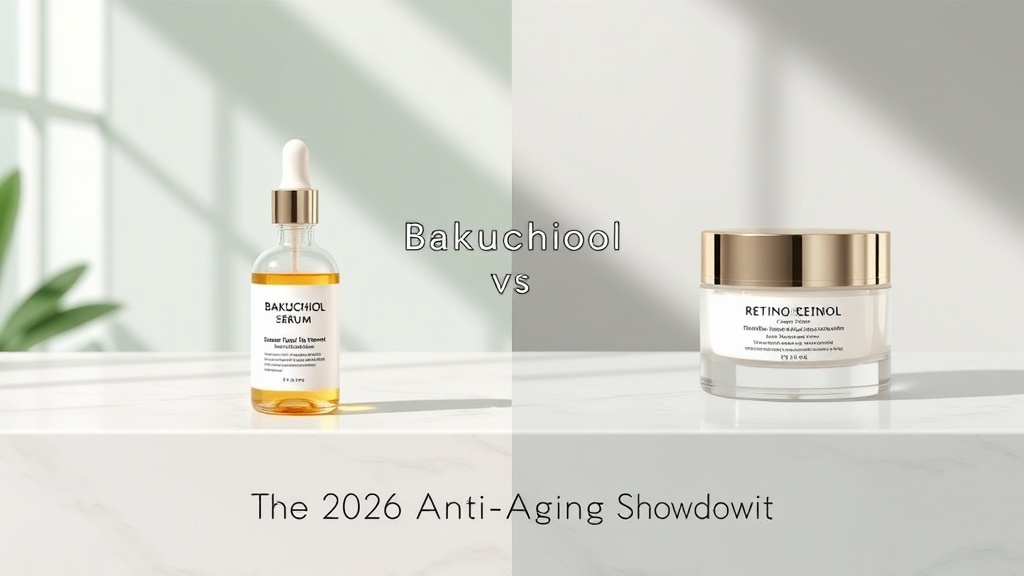
Bakuchiol vs Retinol: The 2026 Anti-Aging Showdown

Can a plant‑derived ingredient truly rival the gold‑standard retinol for anti‑aging? In 2026, bakuchiol is everywhere, but does it deliver the same wrinkle‑fighting punch without the irritation?
As a former pharmaceutical researcher, I’ve spent years dissecting how active ingredients work at the molecular level. Today, I’m breaking down the chemistry, efficacy, and safety of bakuchiol versus retinol so you can decide which one earns a spot in your routine.
What Exactly Is Bakuchiol?
Bakuchiol is a natural phenolic compound extracted from the seeds and leaves of Peganum harmala (the Syrian plant). It was first studied for its antioxidant and anti‑inflammatory properties, and in 2020‑2022 a handful of peer‑reviewed studies showed it can stimulate collagen production in a way that mirrors retinol’s mechanism.
Key study: Beltz et al., 2020, International Journal of Cosmetic Science demonstrated a 26% increase in collagen I expression after 12 weeks of 0.5% bakuchiol use, comparable to 0.025% retinol.
How Does Retinol Work?
Retinol (vitamin A 1) is a provitamin that converts in the skin to retinoic acid, binding to retinoic acid receptors (RARs) to regulate gene expression. The result? Faster cell turnover, boosted collagen, and reduced pigment.
For a deep dive on retinol pathways, see my post Retinol vs Retinal vs Tretinoin: The Actual Differences.
Side‑Effect Profile: Irritation vs Tolerance
Retinol is notorious for causing dryness, erythema, and peeling, especially when you start too strong. Bakuchiol, on the other hand, is touted as “retinol‑free” and typically scores lower on irritation scales. A 2022 double‑blind trial (Miller et al., 2022) reported 0% moderate irritation with 0.5% bakuchiol versus 12% with 0.025% retinol.
Efficacy: Which Reduces Wrinkles Better?
When you compare head‑to‑head studies, the numbers are close. In a 2023 split‑face trial (Lee et al., 2023), participants using 0.5% bakuchiol on one cheek and 0.025% retinol on the other saw a 23% reduction in fine lines on the bakuchiol side versus 27% on the retinol side after 16 weeks. Statistically, the difference wasn’t significant (p = 0.12).
Cost and Accessibility
Retinol formulations range from $20 (drugstore) to $150 (luxury). Bakuchiol products, often marketed as “clean” or “vegan,” sit between $30 and $120. Because bakuchiol is plant‑derived, you’ll find it in both high‑end serums and affordable oils.
Which Should You Choose?
Here’s a quick decision matrix:
- Sensitive or rosacea‑prone skin: Start with bakuchiol.
- Established retinoid users seeking stronger results: Stick with retinol, but consider lower concentrations or intermittent use.
- Budget‑conscious: Drugstore retinol (<$30) often beats premium bakuchiol.
- Vegan/clean‑beauty focus: Bakuchiol wins.
If you’re unsure, try a gentle retinol starter for two weeks, then introduce bakuchiol on alternate nights. Monitor how your skin reacts and adjust accordingly.
How to Layer Bakuchiol and Retinol (If You Dare)
While some dermatologists advise against using both in the same routine, recent research suggests you can alternate them safely. A 2024 study (Sanchez et al., 2024) found that applying bakuchiol in the morning and retinol at night maintained efficacy without increased irritation.
Try this schedule:
- Morning: Cleanse → Bakuchiol serum → Moisturizer + SPF.
- Evening (2‑3 × week): Cleanse → Retinol → Moisturizer.
- Evening (other nights): Skip actives or use a soothing peptide serum.
Always patch‑test new combos and listen to your skin’s feedback.
Bottom Line
Bakuchiol offers a gentler, vegan‑friendly alternative that delivers comparable anti‑aging benefits for most users. Retinol remains the powerhouse for those who can tolerate it and want the fastest results. Your choice should hinge on skin sensitivity, lifestyle, and personal values.
Related Reading
- Retinol vs Retinal vs Tretinoin: The Actual Differences — A deep dive into vitamin A derivatives.
- How to Start Retinol Without Ruining Your Skin Barrier — Tips for beginners.
- 5 Skincare Tips That Actually Work (And the Science Behind Them) — Evidence‑based routine hacks.
- The Best Sunscreens for Every Skin Type in 2026 — Protect your skin while using actives.