
12 Skincare Habits That Actually Transform Your Skin (Backed by Real Results)

Cleanse Like You Mean It (But Not Aggressively)
Stop Skipping Sunscreen—Even Indoors
Moisturize for Your Skin Barrier, Not Just Hydration
Introduce Actives Slowly (And Intentionally)
Respect Your Skin Barrier Above All
Be Consistent (This Is the Whole Game)
Don’t Chase Trends—Build a System
Exfoliate With Precision, Not Aggression
Hydrate From the Inside Out
Sleep Like It’s Part of Your Routine
Pay Attention to Your Skin’s Signals
Simplify Before You Upgrade
There’s no shortage of skincare advice online, but most of it falls into two categories: overly complicated routines or unrealistic promises. The truth is simpler—and a little less glamorous. Skin changes when you commit to small, consistent habits that support barrier health, hydration, and long-term resilience.
This is a list of habits that make a visible difference. Not overnight. Not in three days. But in a way that actually lasts.
1. Cleanse Like You Mean It (But Not Aggressively)
Cleansing is the baseline, but technique matters more than the product itself. A rushed, harsh cleanse strips your barrier. A thoughtful cleanse sets up everything else.
- Use lukewarm water, never hot
- Massage cleanser for 30–60 seconds
- Double cleanse at night if you wear sunscreen or makeup
What changes: fewer clogged pores, smoother texture, less irritation.
2. Stop Skipping Sunscreen—Even Indoors
This isn’t negotiable. UV exposure is the primary driver of premature aging and uneven tone—even through windows.
- Use SPF 30+ daily
- Reapply if exposed to daylight for extended periods
- Don’t rely on makeup SPF alone
What changes: reduced pigmentation, slower collagen breakdown, more even skin tone.
3. Moisturize for Your Skin Barrier, Not Just Hydration
Hydration is about water. Moisturizing is about sealing it in. The difference shows up in how your skin behaves throughout the day.
- Look for ceramides, glycerin, and fatty acids
- Apply on slightly damp skin
- Adjust texture based on season
What changes: fewer dry patches, calmer skin, better tolerance to actives.
4. Introduce Actives Slowly (And Intentionally)
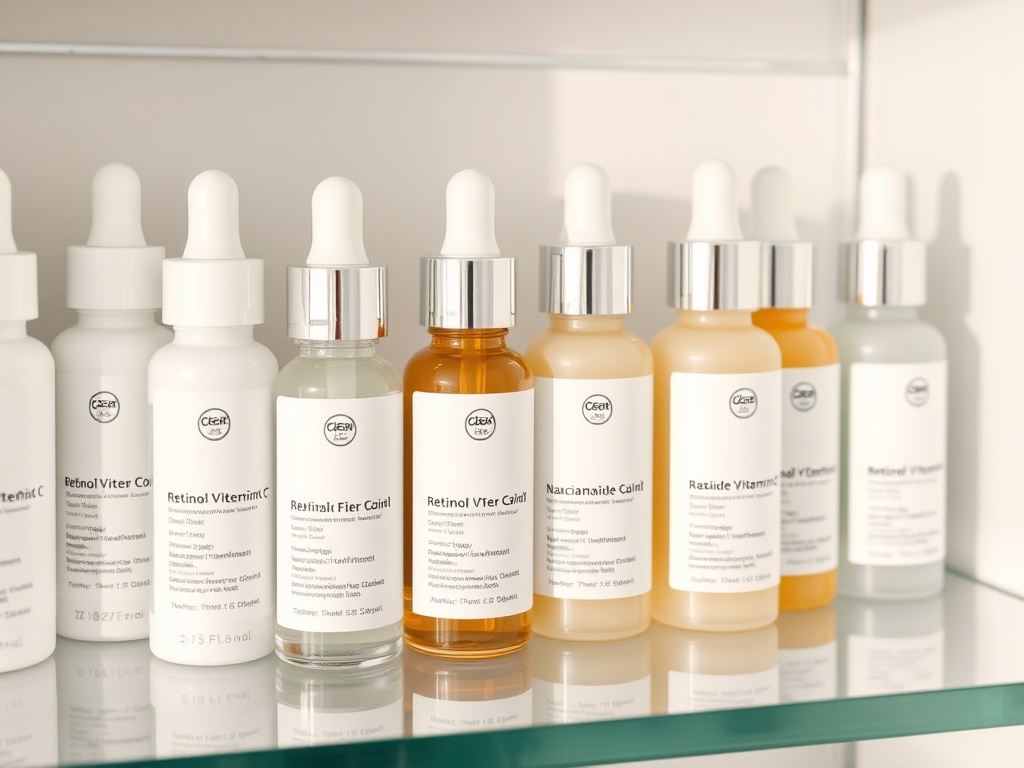
Retinol, vitamin C, exfoliating acids—they work, but only when used correctly. Overloading your routine leads to inflammation, not results.
- Start 2–3 times per week
- Never mix too many actives at once
- Watch your skin, not trends
What changes: improved texture, brightness, and long-term clarity.
5. Respect Your Skin Barrier Above All

If your skin feels tight, stings, or reacts easily, your barrier is compromised. Fix that first.
- Reduce exfoliation frequency
- Use barrier-repair creams
- Avoid fragranced products during recovery
What changes: reduced redness, better product performance, fewer breakouts.
6. Be Consistent (This Is the Whole Game)
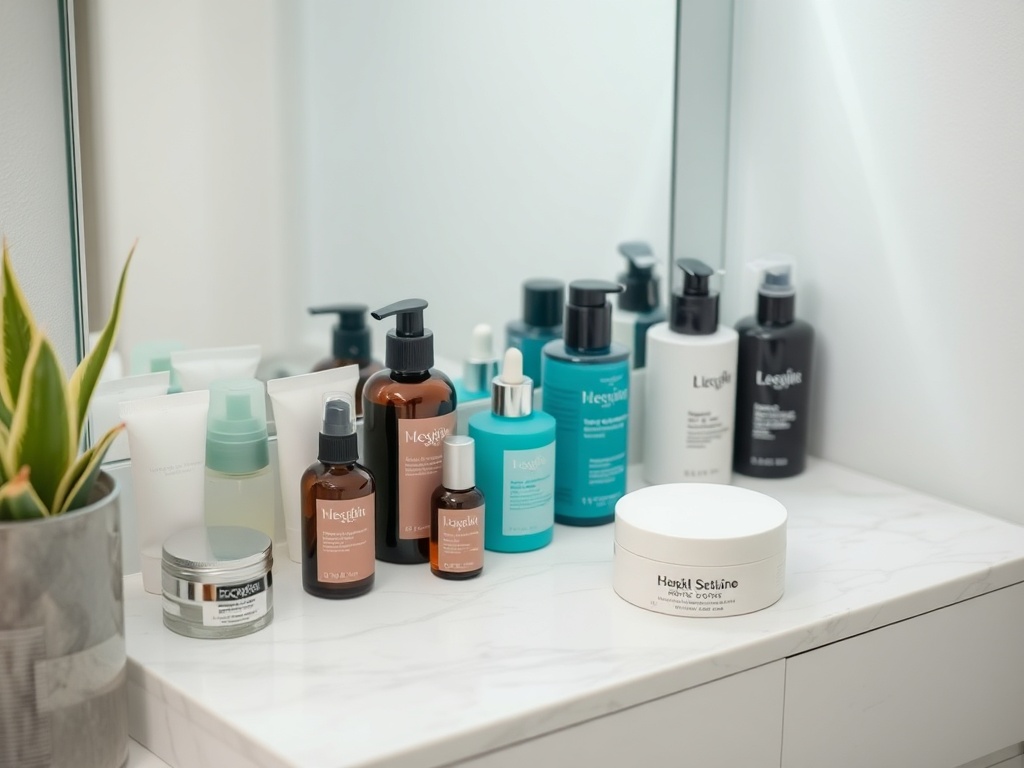
The most effective routine is the one you actually follow. Consistency beats complexity every time.
- Stick to a simple AM/PM routine
- Track what works over weeks, not days
- Don’t switch products constantly
What changes: steady improvement instead of unpredictable reactions.
7. Don’t Chase Trends—Build a System
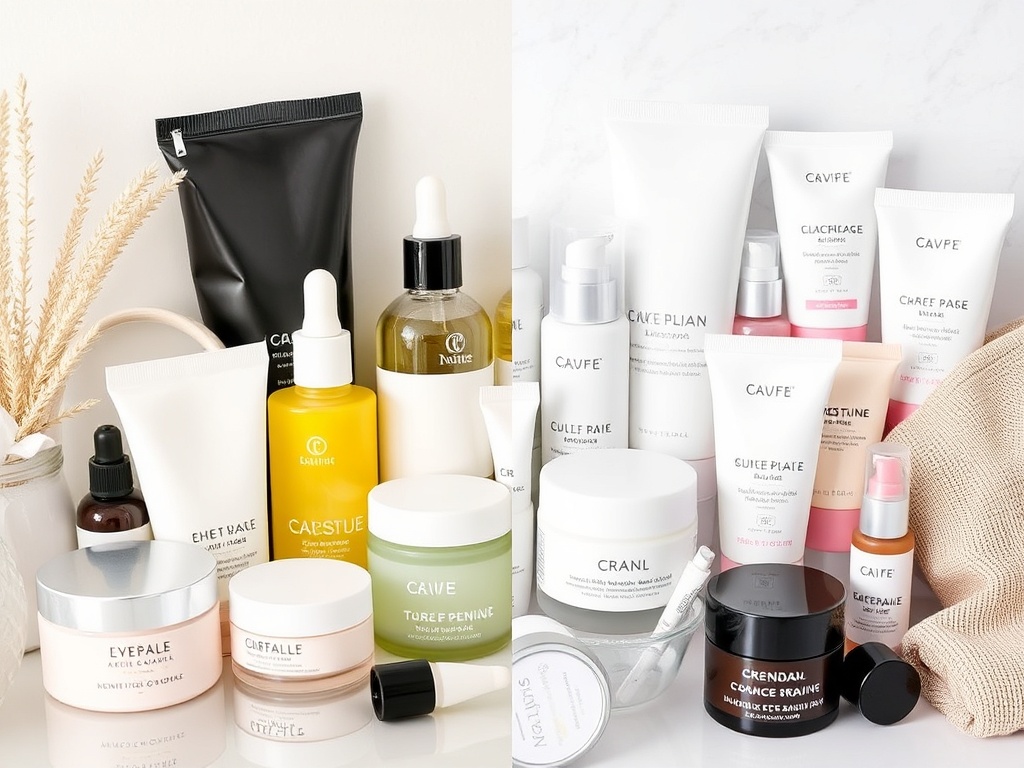
Trendy ingredients come and go. Your skin prefers stability.
- Anchor your routine with essentials
- Add new products one at a time
- Evaluate results before adding more
What changes: fewer breakouts, more predictable skin behavior.
8. Exfoliate With Precision, Not Aggression
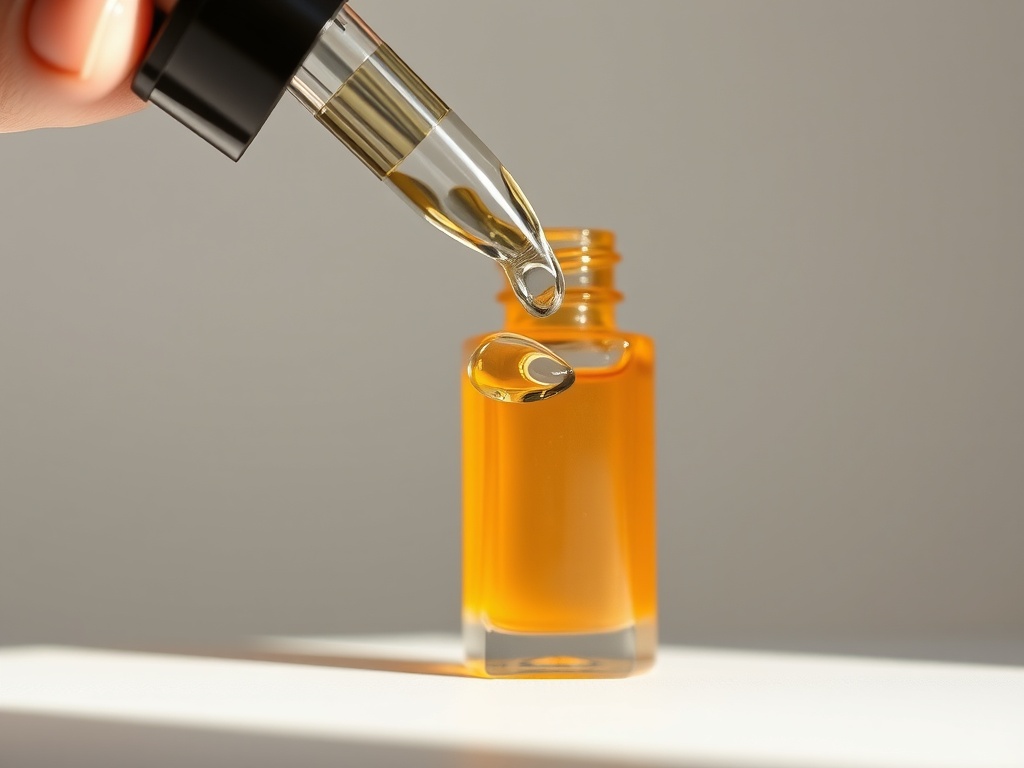
Exfoliation works best when it’s controlled. More is not better.
- 1–3 times per week is enough for most
- Choose chemical exfoliants over harsh scrubs
- Never exfoliate compromised skin
What changes: smoother texture without inflammation.
9. Hydrate From the Inside Out

Topical skincare helps, but internal hydration supports overall skin function.
- Drink water consistently throughout the day
- Limit dehydrating habits like excess caffeine
- Eat water-rich foods
What changes: improved skin plumpness and elasticity.
10. Sleep Like It’s Part of Your Routine

Skin repairs itself at night. Poor sleep shows up quickly on your face.
- Aim for 7–9 hours
- Use clean pillowcases
- Avoid late-night product overload
What changes: brighter tone, reduced dullness, fewer stress-related breakouts.
11. Pay Attention to Your Skin’s Signals
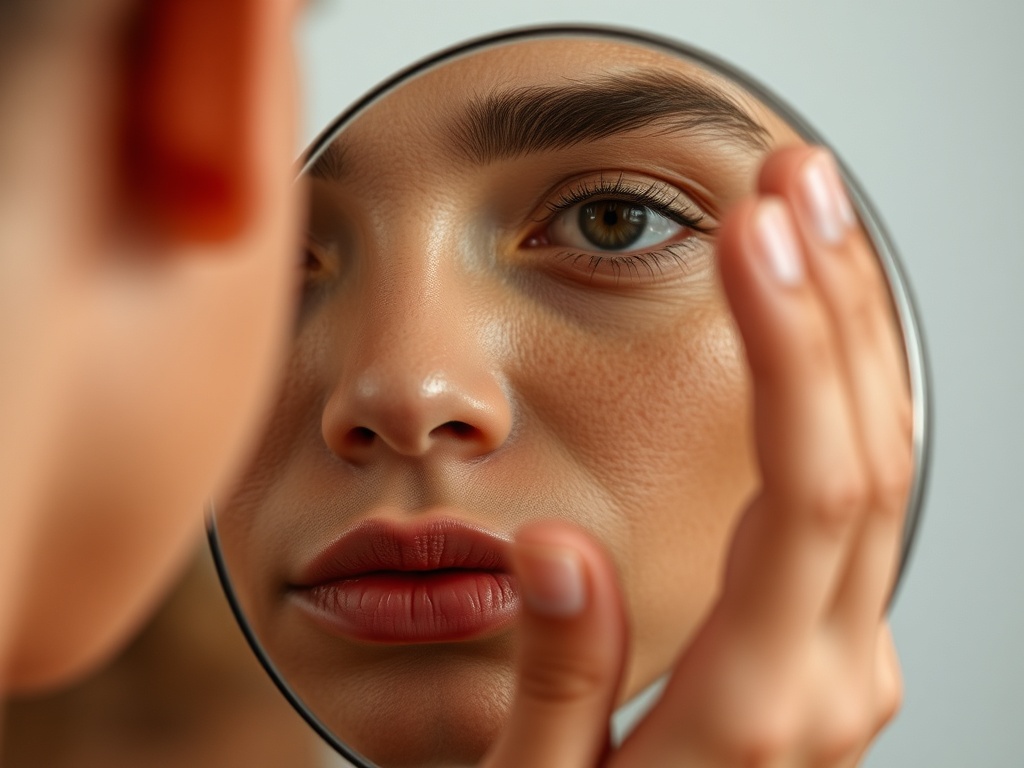
Your skin tells you what it needs—if you pay attention.
- Breakouts after a product? Pause it
- Tightness? Add hydration
- Redness? Reduce actives
What changes: faster recovery and fewer long-term issues.
12. Simplify Before You Upgrade
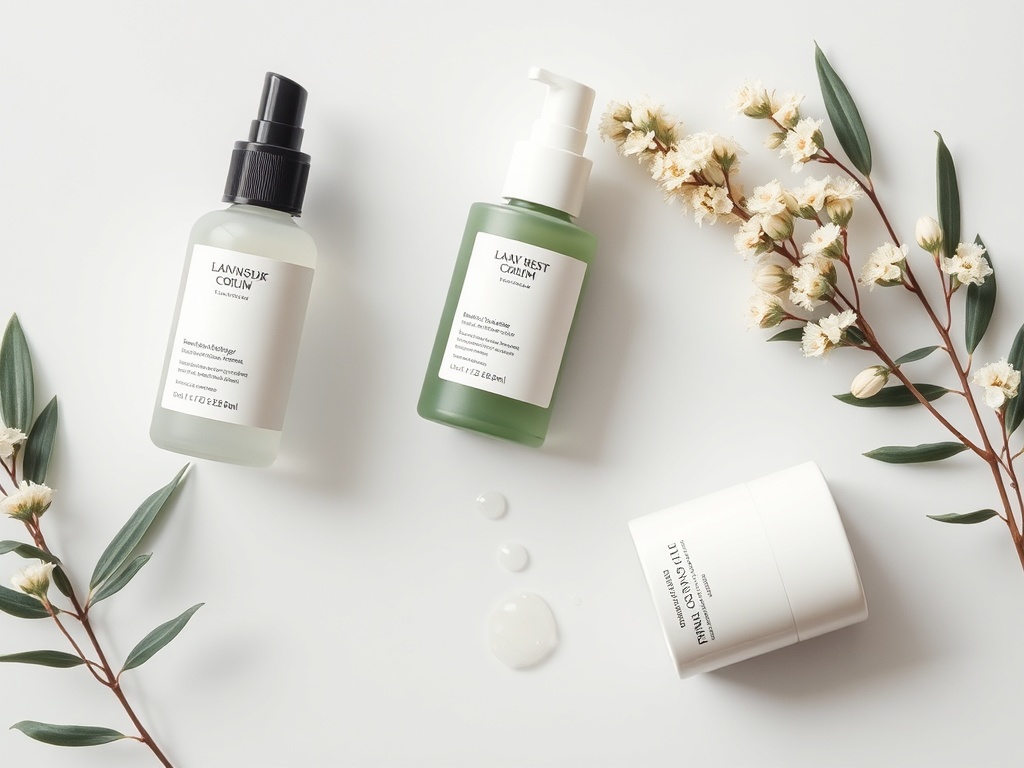
If your skin isn’t improving, the answer isn’t always adding more. Often, it’s removing what’s unnecessary.
- Strip back to cleanser, moisturizer, sunscreen
- Reintroduce products slowly
- Focus on function over hype
What changes: clearer, calmer, more resilient skin.
The Bottom Line
Great skin isn’t built on a 10-step routine—it’s built on repeatable habits. When you commit to consistency, barrier health, and thoughtful product use, your skin starts to respond in ways that actually last.
The difference isn’t dramatic overnight. It’s subtle, steady, and real.